




Overview of Canadian Art Institutions
Canadian art institutions reflect a bilingual heritage. The Canada Council for the Arts supports this diversity. Government funding supports many local galleries. This structure mirrors the country's multicultural population. Institutions often present both English and French content. This bilingual approach is unique to the Canadian context. Art is viewed as a public good here. Public funding ensures broad access to cultural works. The structure of institutions reflects the diverse population. Local communities often shape the programming of local galleries. This creates a distinct cultural landscape. The art scene is not monolithic. It is a collection of many distinct voices. Each region contributes its own unique perspective. This diversity is a key feature of the Canadian art world. It distinguishes Canada from other global art hubs. The focus is on inclusion and representation. This approach shapes the national cultural identity.
Major Institutions and Regional Hubs
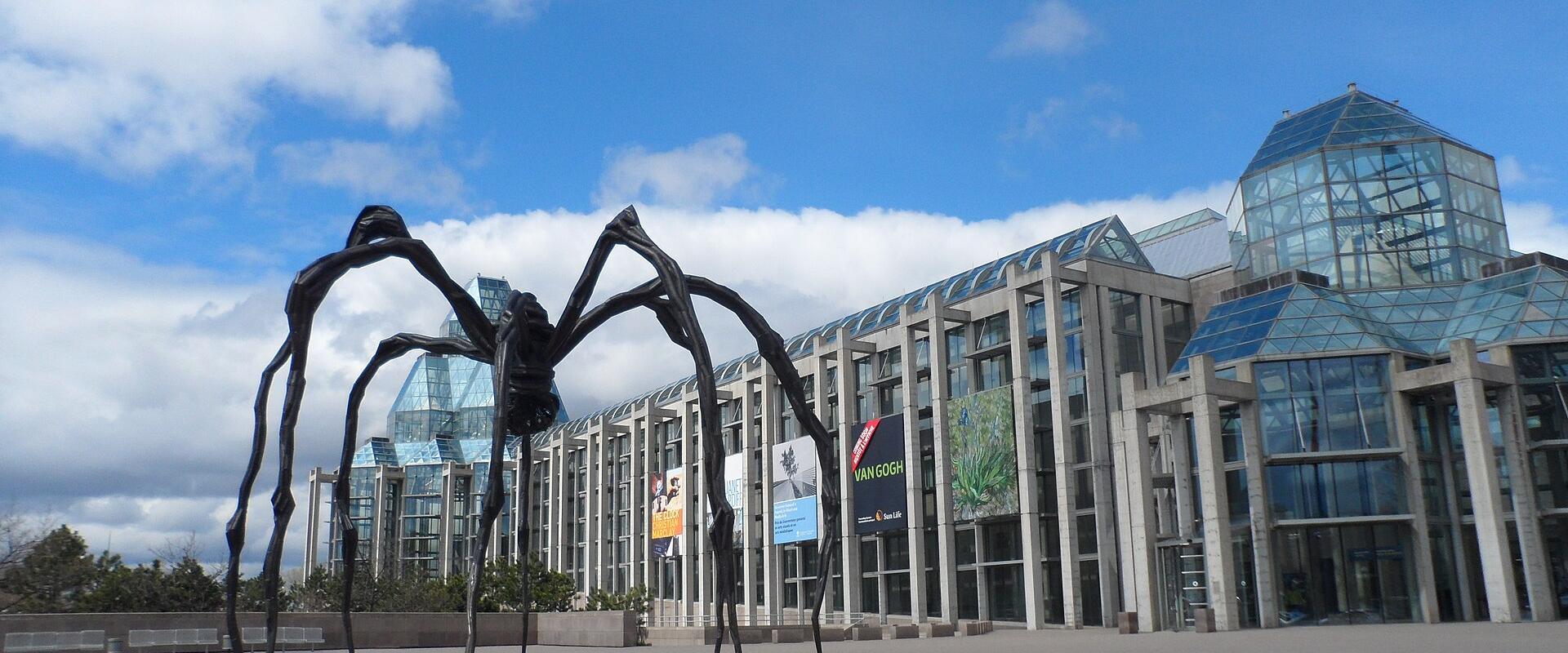
The National Gallery of Canada sits in Ottawa. It houses extensive collections of Indigenous art. These works reflect deep cultural heritage. The Art Gallery of Ontario leads in Toronto. It displays significant Canadian and international pieces. Visitors access diverse artistic traditions here. Montreal Museum of Fine Arts offers unique blends. It combines Canadian art with international works. French cultural influence shapes its exhibits. These hubs define Canada’s artistic landscape. They attract global audiences annually. Each institution preserves distinct regional identities. The National Gallery focuses on national narratives. The AGO emphasizes contemporary global dialogues. The Montreal museum bridges Eastern and Western styles. All three support emerging Canadian artists. They provide educational programs for students. Public access remains a core mission. Funding supports their extensive operations. These institutions serve as cultural anchors. They host major exhibitions regularly. Tourists prioritize these destinations for art. Local communities benefit from their presence. They foster creative exchange across provinces. The National Gallery features modern architecture. The AGO underwent significant expansion recently. The Montreal museum holds diverse global artifacts. Each venue offers distinct visitor experiences. They collectively represent Canada’s artistic excellence. Their collections span centuries of creation. Indigenous perspectives are increasingly central. International collaborations enhance their global standing. These hubs remain essential cultural resources.
Regional Art Centers and Local Gems
Vancouver offers distinct Pacific Northwest artistic perspectives. The Vancouver Art Gallery displays significant regional works. It features contemporary and historical Canadian pieces. The Museum of Anthropology showcases Indigenous heritage. Its collection highlights First Nations cultural artifacts. These institutions define the city’s artistic identity.
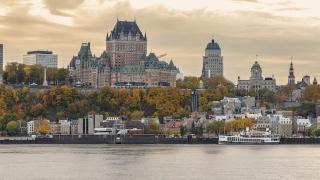
Quebec City provides deep French-Canadian artistic context. The Musée national des arts et de la culture focuses on national traditions. It preserves essential elements of Quebec’s history. Visitors explore distinct Francophone creative expressions. This museum anchors the city’s cultural landscape.
Smaller Canadian cities offer intimate gallery experiences. These venues reflect local community histories. They provide focused views on regional culture. Smaller institutions often feature emerging local artists. This creates a direct connection between creator and viewer. You encounter authentic regional narratives without crowds.
Regional centers prioritize community engagement over scale. Galleries here often operate as cultural hubs. They host local workshops and exhibitions. These spaces support independent Canadian artists. The experience remains personal and educational. You gain insight into specific provincial identities. This contrasts with the broad scope of national museums. Each region maintains its unique artistic voice. This diversity strengthens Canada’s overall cultural fabric. Local gems offer accessible entry points to art. They demonstrate the breadth of Canadian creativity beyond major urban centers.
Practical Logistics and Access
Visit official websites for current hours and fees. Canadian institutions update schedules frequently. Many museums offer free permanent collection entry. Special exhibitions require separate admission tickets. Prices vary by institution and location. Book tickets online during peak tourist seasons. This strategy avoids long entry lines. Major cities like Toronto and Vancouver see high traffic. Advance booking ensures guaranteed entry for popular shows. Check for student or senior discounts. Many galleries provide reduced rates for specific groups. Plan visits around special cultural events. These often extend operating hours into the evening. Verify accessibility options before traveling. Most major Canadian museums are fully accessible. Public transit connects most urban art centers. Parking availability varies significantly by location. Rural galleries may have limited parking spaces. Always confirm closing times on holidays. Canadian holidays often result in reduced hours. Plan your itinerary to maximize viewing time. Prioritize must-see exhibitions before they sell out. This approach ensures a comprehensive cultural experience.
Etiquette and Visitor Guidelines
Canadian museums enforce strict preservation protocols. Flash photography is generally prohibited in all gallery spaces. This rule protects sensitive pigments and historical artifacts from light damage. Visitors must set mobile phones to silent mode. Speaking quietly ensures a respectful environment for all patrons. Do not touch the artwork under any circumstances. Many pieces are fragile and irreplaceable. Staff members provide specific instructions for handling special exhibits. Follow these directions immediately to avoid removal from the venue. Be mindful of the time spent in front of individual works. Some galleries impose strict time limits on popular installations. This policy allows equitable access for all visitors. Large institutions like the National Gallery of Canada manage high foot traffic efficiently. Smaller regional centers in Vancouver or Toronto may have different crowd levels. Always check the specific house rules before entering. These guidelines vary by institution and exhibition type. Respecting these norms enhances the cultural experience for everyone. It demonstrates appreciation for Canada’s diverse artistic heritage. Proper conduct supports the sustainability of public art spaces. You contribute to a welcoming atmosphere by following these simple rules. This behavior is expected across all Canadian cultural venues.