


AI-generated illustration
14-day itinerary
Grand Tour of Canada
14-day cross-Canada tour from Pacific to Atlantic
- Length
- 14 days
- Pace
- Challenging
- Estimated cost
- CA$840 per person
- Based in
- Canada
Practical information
The optimal time to visit Canada for a grand tour is between late May and early October, when weather conditions are most favorable for outdoor exploration. Summer months offer warm temperatures ideal for hiking in the Rocky Mountains and navigating urban centers, while autumn provides stunning foliage, particularly in Quebec and Ontario. Winter travel is possible but requires specialized gear for extreme cold, and spring can be muddy with unpredictable weather.
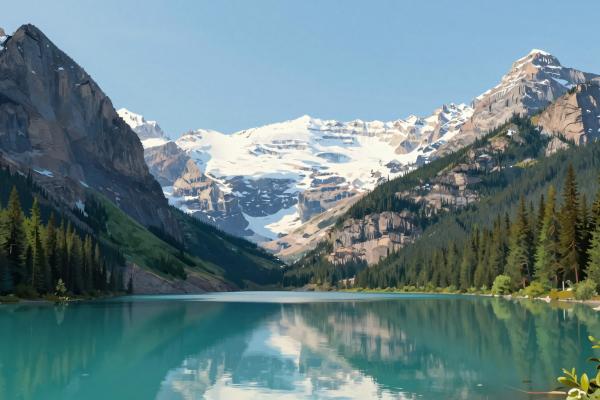
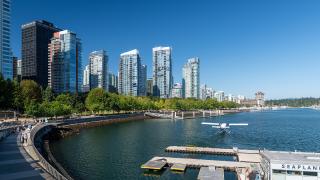
For transportation, the vast distances between major hubs like Vancouver, Calgary, and Toronto make air travel the most efficient option for intercity transit. Once in major cities, public transit systems are reliable and extensive. For the western segment, particularly the Rocky Mountains, renting a car offers the flexibility to explore natural attractions like Banff and Lake Louise at your own pace. Alternatively, the Rocky Mountaineer train provides a scenic, guided alternative that eliminates the stress of driving, though it is generally more expensive.
Accommodation should be booked well in advance, especially during peak summer and fall foliage seasons. In urban areas like Montreal, Toronto, and Vancouver, staying in downtown neighborhoods ensures easy access to attractions and dining. In national parks and smaller towns like Banff or Quebec City, consider booking lodges or boutique hotels close to key sites to maximize time. For road trips, mid-range motels along major highways offer practical rest stops.
Budget considerations vary significantly based on travel style. Luxury tours, such as those on the Rocky Mountaineer, include guided excursions, meals, and premium accommodations, offering convenience but at a higher cost. Self-drive itineraries allow for greater control over spending, with budget options available in hostels or campgrounds. Note that costs for activities like helicopter flights, wine tours, and whale watching are often excluded from base prices and should be factored into daily budgets.
Pack layers suitable for variable weather, including waterproof jackets, sturdy hiking boots, and comfortable walking shoes for city exploration. Essential items include sunscreen, insect repellent for summer months, and adapters for electrical outlets. Always carry a physical map or offline digital maps, as cell service can be unreliable in remote mountainous regions. Finally, ensure you have travel insurance that covers medical emergencies and trip cancellations, given the potential for weather-related disruptions in remote areas.