

History
The history of Carp is closely tied to the agricultural heritage of the Ottawa Valley. The community, originally known as Carp Station, was established in the mid-19th century as a hub for local farmers. The area was primarily rural, characterized by small-scale farming and forestry, and the railway and the Carp River both helped shape where the village grew. The name "Carp" is often mistakenly associated with the fish, but it is derived from the local landscape and early settlers. The community has maintained its rural character, preserving the traditions of small-town life in the face of modern expansion, and it became part of the City of Ottawa through amalgamation in 2001. The historic buildings, including the old schoolhouse and churches such as Carp United Church and St. Andrew's Anglican Church, mark the community's long presence in the region.
Main Attractions: The Diefenbunker
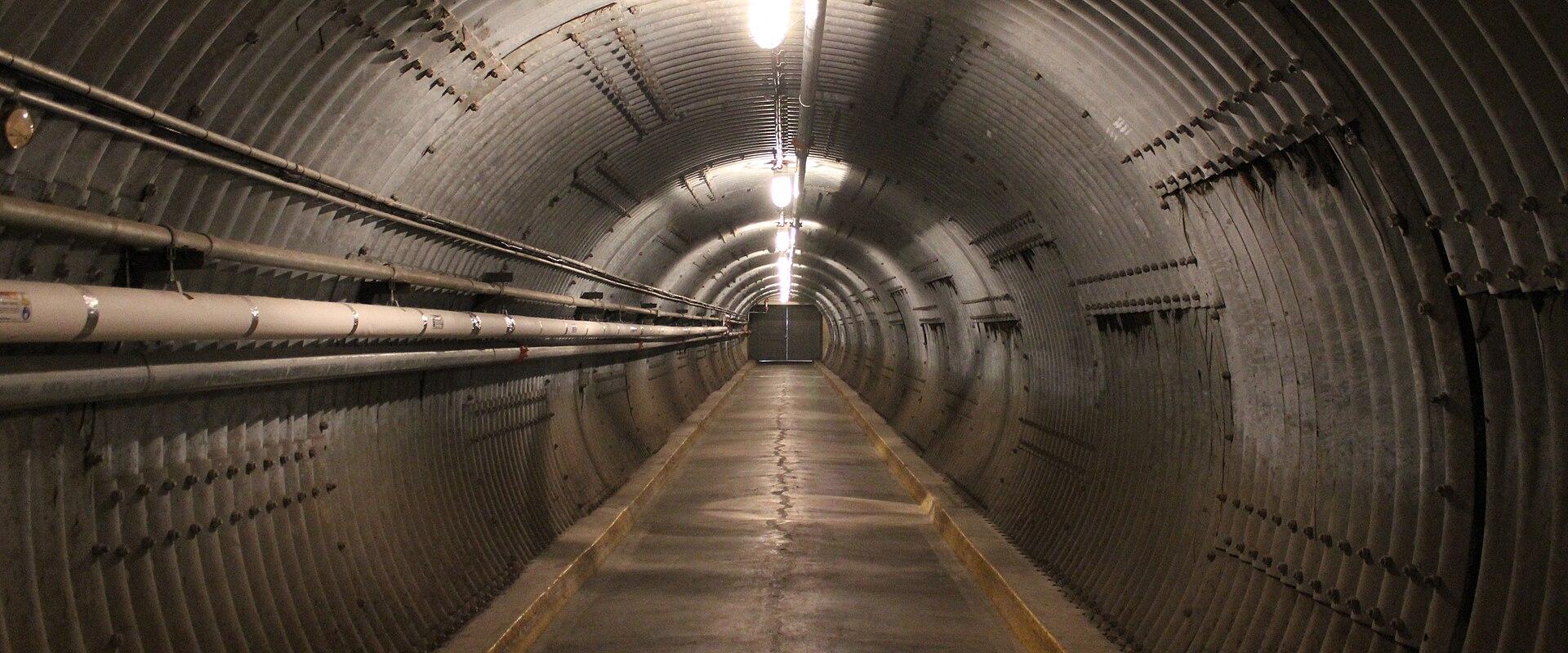
The primary attraction in Carp is the Diefenbunker, a former Cold War-era underground bunker. Built in the early 1960s and named after Prime Minister John Diefenbaker, it was designed to shelter government officials and military leaders in the event of a nuclear attack. It operated for decades as a secret military installation and now operates as a national historic site and museum. Visitors can explore preserved rooms on several levels, including the former command and communications spaces and a blast tunnel entrance. The site is a significant historical landmark, and its guided tours and exhibits explain how Canadians prepared for a crisis that never arrived, and they offer a unique perspective on the political climate of the Cold War era.
Village Life and Local Food
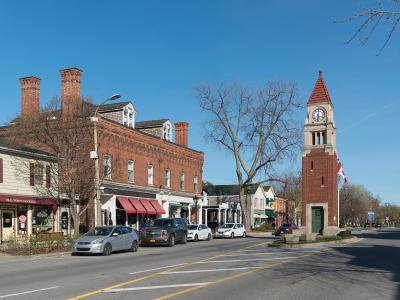
Beyond the bunker, Carp is a village made for strolling. The Carp Heritage Trail gives a self-guided look at the village's farming and railway past, and the Carp Village Square is the natural meeting point for community events. Local shops, small galleries, and cafes line the main road, and the farmers' market on Sundays draws residents from across the region. The area also hosts an annual country fair in the autumn, which continues a long local tradition. The Carp Community Garden, the library, and the village hall show that this is a working community and not simply a tourist stop.
Activities and Attractions
Visitors to Carp can enjoy a variety of activities that highlight the region's natural beauty and historical significance. The area is good for walking and cycling, with trails and quiet country roads winding through the countryside. The Carp River provides opportunities for fishing and canoeing, offering a peaceful way to explore the local landscape, and the Ottawa River Pathway offers a scenic route for walkers and cyclists. The community also hosts festivals and events throughout the year, providing a glimpse into local culture and traditions.
Getting There
Carp is located approximately 30 minutes west of downtown Ottawa. The most convenient way to reach the area is by car, taking Highway 417 west and then taking the exit for Carp. The drive is straightforward, with clear signage guiding visitors to the main attractions. Public transportation options are limited, so renting a car or using a taxi is the most practical way to reach the area.
Best Time to Visit
The best time to visit Carp is during the spring, summer, and early fall months. The weather is generally mild, with pleasant temperatures ideal for outdoor activities. The summer months, from June to August, are particularly popular, with warm weather and long daylight hours. The fall months, particularly September and October, offer beautiful foliage and a more relaxed atmosphere. Winter visits are possible but require preparation for cold weather and potential snow.
Best time to visit
May through October offers mild weather ideal for exploring the region.
What to see in Carp
Our picks first.
Carp by interest
The same sights, grouped by what you came for.
Did you know?
Checked facts about Carp, each with its source.
-
Film & TV
Cold War bunker featured in Hollywood thriller
The Diefenbunker, a top-secret underground nuclear fallout shelter located in Carp, Ontario, served as a filming location for the 2002 movie The Sum of All Fears.
Source: en.wikipedia.org
Planning a visit to Carp
Itineraries that include Carp
Good to know
- Currency
- CAD
- Language
- English