


- Where
- Iqaluit, Nunavut
- Directions
- Directions
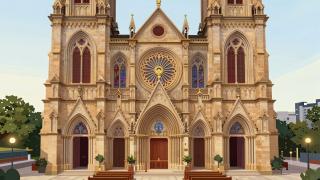
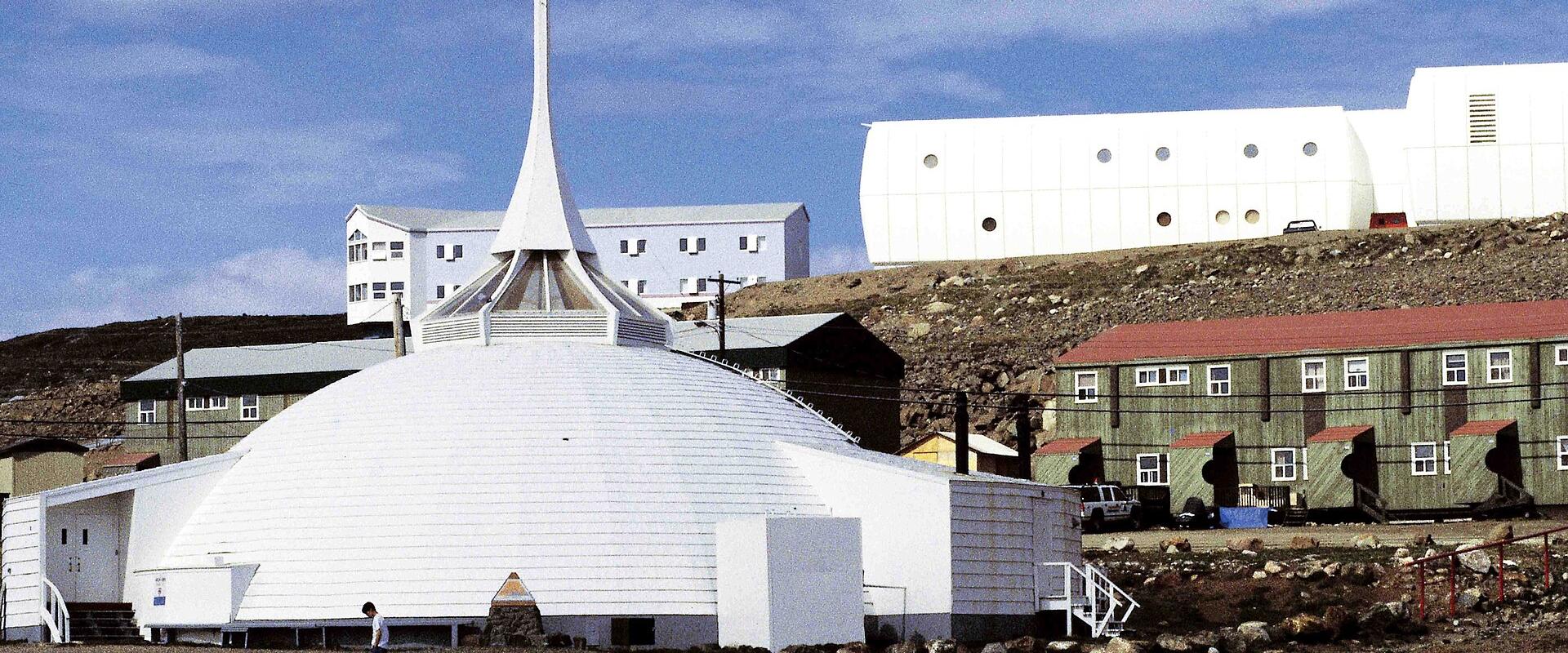
One of the most unusual churches in Canada was shaped like an igloo, and its replacement, a Christian landmark of the far north, keeps the memory of that design alive on the shore of Frobisher Bay. St. Jude's Cathedral is the Anglican cathedral of Iqaluit, the capital of Nunavut, and it is formally the Cathedral of St. Simon and St. Jude. It is the seat of the Diocese of the Arctic, the Anglican Church's largest diocese by area, covering a vast territory of the Canadian North that stretches across Nunavut, the Northwest Territories and part of northern Quebec.
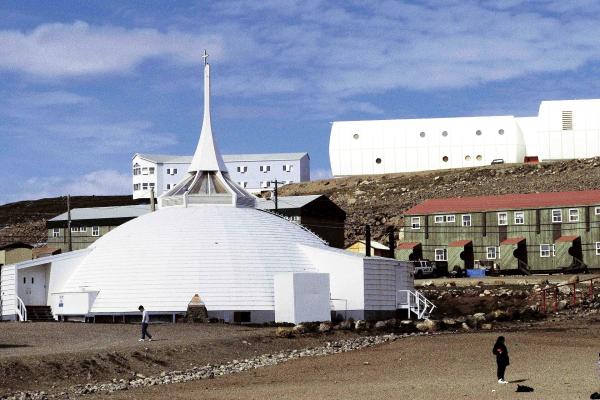
The original cathedral, built in the early 1970s, became a symbol of the town. Its round, domed shape was inspired by the snow house, and from a distance it looked like a great white igloo set on the tundra. Inside, it featured carvings and craft work made by local Inuit artists, and the building expressed a desire to anchor the church in the culture of the people it served. Many residents and visitors photographed it, and it appeared on postcards and in travel writing about the Arctic.
In November 2005, the cathedral was destroyed by fire, a heavy loss for the community. The congregation set about rebuilding, supported by donations from across Canada, and a new cathedral was completed in the following years, with services resuming in the new building and its formal consecration later. The new cathedral keeps a contemporary form that echoes the earlier design while using modern construction suitable for the Arctic climate, and it continues to carry items and traditions from the earlier church.
The cathedral is a place of active worship, with services in both English and Inuktitut, the main Inuit language of the region. Many Inuit families have belonged to the Anglican Church for generations, and the cathedral has a central place in baptisms, weddings, funerals and festivals. Hymns in Inuktitut are a highlight of services, and visitors who attend are generally made welcome. For those with limited time, the exterior is worth a look.
Iqaluit is a small city of around 8,000 people, reached by air, and a visit to the cathedral can be combined with the Nunatta Sunakkutaangit Museum, which displays Inuit art and artefacts, and with a walk in Sylvia Grinnell Territorial Park on the edge of town. Visitors should respect the building as a place of worship and ask before entering outside services. Summer brings long daylight, and winter offers aurora, though temperatures are extremely cold.
Categories
More photos coming soon
Nearby Attractions
Other places to visit in Iqaluit

Questions people ask
Quick Facts
Best Time to Visit
Summer offers long daylight and tundra access; winter and spring trips require specialized planning.