







Cape Spear National Historic Site
- Admission
- Daily fees apply
- Free admission for youth
- Hours
- Open year-round, but visitor services and facilities operate only from June to October.
- Where
- St. John's, Newfoundland and Labrador
- Directions
- Directions
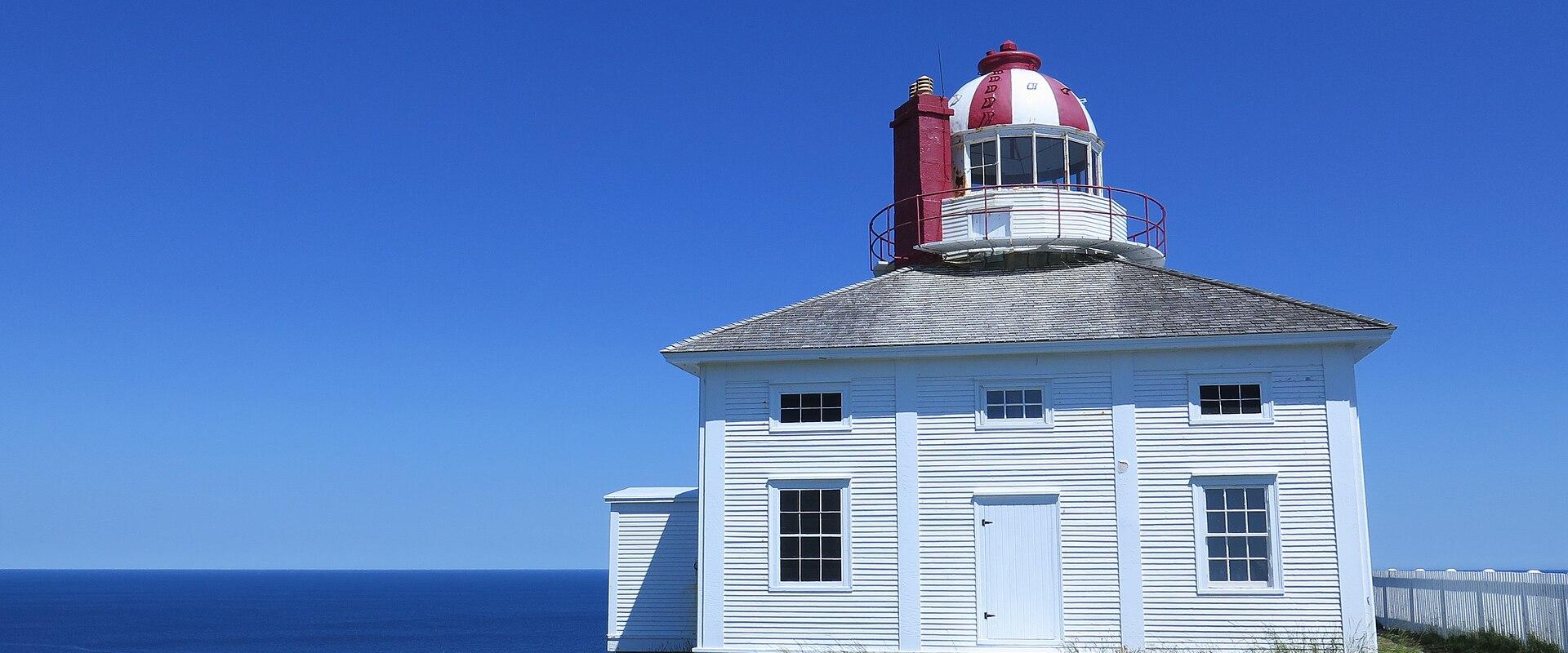
Cape Spear is a headland on the Avalon Peninsula, a short drive southeast of St. John's, Newfoundland and Labrador. It is commonly described as the most easterly point in North America, excluding Greenland, and that fact draws many visitors who want to stand at the edge of the continent. Parks Canada manages the grounds as a National Historic Site, and the combination of cliffs, lighthouses and open Atlantic is memorable even without the geographic claim.
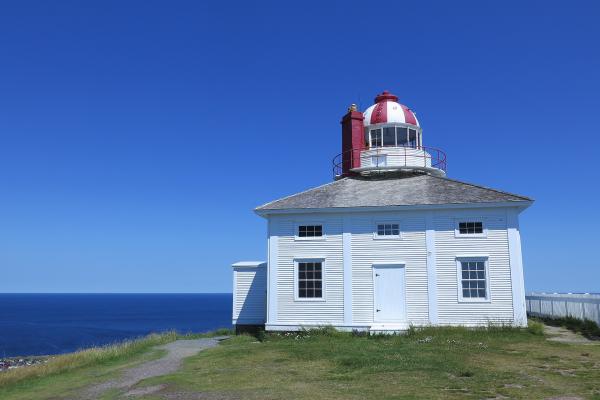
The key historic structure is the lighthouse, completed in 1836. It is the oldest surviving lighthouse in Newfoundland and Labrador, and it has been restored to show how the keeper's family lived in the mid-nineteenth century. The tower rises from the middle of a square keeper's house, which gives it an unusual, almost domestic shape. Beside it stands a later, more modern lighthouse that took over the navigational work, and the pair together make a good subject for photographs, especially in early light.
Cape Spear also has a military chapter. During the Second World War, Fort Cape Spear defended the approaches to St. John's harbour, and the remains of the gun batteries, bunkers and underground passages are still on the site. The positions face directly out over the water, and standing among them gives a sense of how exposed the coast was to U-boat attacks and how important the harbour was to Atlantic convoys.
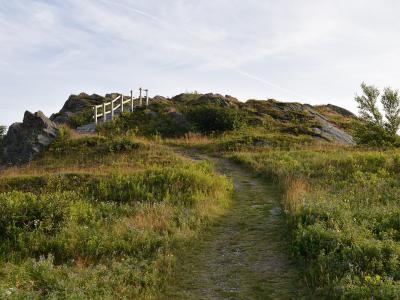
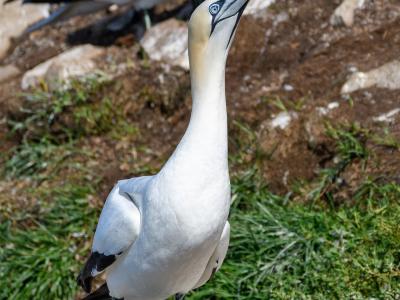
The natural setting is as much of an attraction as the buildings. Rocky headlands drop steeply to the ocean, and trails run along the cliffs, with views up and down the coast. Between spring and early summer, icebergs often drift past offshore, and humpback whales feed in the waters later in the season. Seabirds nest in the cliffs, and the coastal vegetation is low and wind-sculpted, with bakeapple and crowberry on the barrens. Fog and strong wind are common, so bring layers even on a summer day.
Visitors reach the site by road from St. John's along Route 11, and the grounds are open throughout the year, although staffed services run in the warmer months. Many people come for sunrise, to be among the first in North America to see the day begin, and the lighthouse light at dusk is equally striking. The East Coast Trail also passes through the area, which makes it a good starting point for longer coastal walks. Signal Hill, the Battery and the downtown streets of St. John's are close enough to combine in a single day, and Cape Spear suits anyone who enjoys wild coastline and history in equal parts.
Categories
More photos coming soon
Hours & Fees
- Open
- Open year-round, but visitor services and facilities operate only from June to October.
- Admission
- Daily fees apply; free admission for youth.
Hours and prices change, especially out of season. Check with the venue before you go.
Nearby Attractions
Other places to visit in St. John's

Questions people ask
Quick Facts
Daily fees apply
Free admission for youth.
Best Time to Visit
June through September offers mild weather ideal for exploring the coastal city.