




Canadian paddling demands rigorous planning over expensive gear. Transport Canada mandates specific safety equipment for all vessels. Success relies on stability and cold water awareness, not boat width. Kayaks offer solo control and low wind profiles for remote lakes. Canoes suit two-person trips with heavy camping loads and portages. Strategies differ significantly between calm lakes, windy reservoirs, and tidal estuaries. Paddlers must account for wind fetch and current strength. Cold water temperatures require immediate self-rescue ability and proper PFD fit. Compact electronics and rod storage must fit within the vessel. Evaluate launch access and realistic exit points before departure. Load management ensures rods and sonar remain secure. Decision maps help evaluate storage and wind conditions. Prioritize simple recovery methods over complex product specifications. This approach ensures safety across diverse Canadian waterways.
Choosing the Right Craft
Kayaks offer solo control and low wind profiles. They suit anglers needing compact rigging for rods and electronics. Quick launches work best in these vessels. Canoes handle heavy camping loads effectively. They excel during portages across Canadian terrain. Two-person trips benefit from their open storage. Transport Canada mandates specific safety gear for both. Match craft to local water conditions carefully. Calm lakes suit stable, wide designs. Windy reservoirs require lower profiles for safety. Rivers demand maneuverability for current navigation. Tidal estuaries need robust hulls for traffic. Backcountry routes require durable materials for rocks. Load management ensures safe gear transport. Compact sonar and tackle fit kayaks well. Canoes carry dogs or children easily. Evaluate wind fetch before selecting a vessel. Prioritize stability over width specifications. Plan realistic exit points for emergencies. Self-rescue ability matters more than brand names. Choose based on trip needs first. Avoid generic advice; focus on Canadian realities.
Safety and Cold Water Protocols
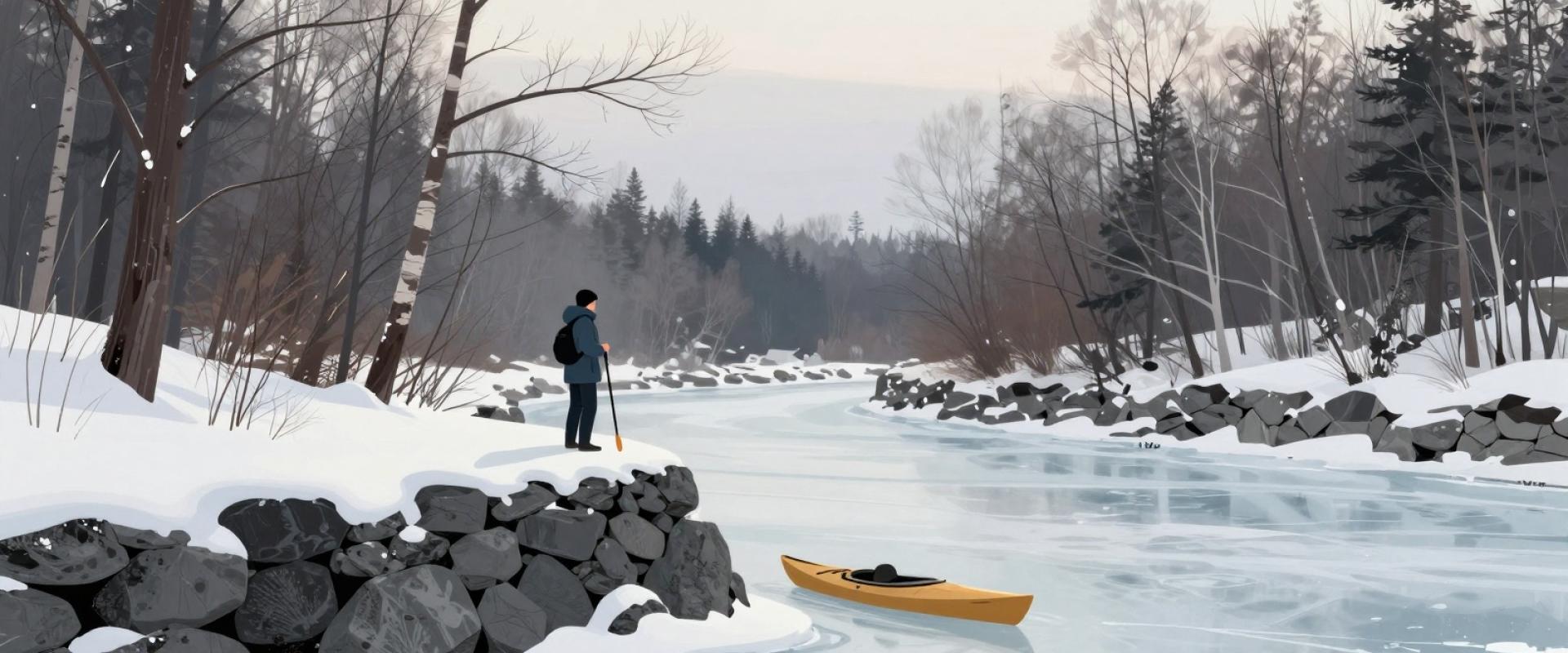
Canadian waters often feature dangerously cold temperatures year-round. Hypothermia risk increases rapidly during immersion. Transport Canada mandates wearing a properly fitted Personal Flotation Device (PFD) at all times. Ensure the PFD fits snugly to prevent riding up. Check fit before launching from any Canadian shore. Monitor weather forecasts closely for wind and current changes. Wind fetch significantly impacts stability on open Canadian lakes. Identify realistic exit points along your planned route. Plan for self-rescue capabilities before entering the water. Compact gear management aids quick recovery in emergencies. Prioritize stability over width when selecting craft for cold conditions. Simple recovery methods are essential for remote Canadian paddling. Always account for boat traffic in busy Canadian waterways. Carry mandatory safety items as required by law. Evaluate wind and current conditions before every trip. Launch access must be safe and accessible. Plan routes based on realistic exit points. Cold water awareness is critical for all Canadian paddlers.
Regulations and Permits
Transport Canada enforces strict safety standards for all Canadian watercraft. Paddlers must carry mandatory gear, including life jackets and sound signals. Pleasure Craft Licenses are required for motorized vessels over 10 horsepower. Operators must complete a safety course to obtain this license. Provincial regulations vary significantly across Canada’s vast geography. Some provinces require specific registration for non-motorized kayaks and canoes. Always check local laws before launching on new waters. Wildlife protection is critical in remote Canadian regions. Store all food and scented items in bear-proof containers. This protocol prevents dangerous encounters with bears and other wildlife. Proper storage protects both the paddler and local ecosystems. Carry waste disposal bags to leave no trace. Follow Leave No Trace principles strictly in backcountry areas. These rules preserve Canada’s pristine natural environments for future generations. Ignoring these regulations can result in significant fines. Always verify current permit requirements before your trip.
Top Paddling Destinations
The Canadian Shield offers extensive lake camping. This region supports stable paddling conditions. Paddlers navigate complex waterways with ease. The terrain requires careful route planning. Coastal paddling is available in British Columbia. The Pacific coast provides rugged shoreline access. Maritimes offer distinct tidal paddling opportunities. These areas feature unique tidal patterns. River trips are popular in British Columbia. The terrain supports diverse water conditions. New Brunswick offers excellent river trips. The landscape supports various paddling styles. Safety remains the primary concern. Cold water temperatures are common year-round. PFDs are mandatory for all paddlers. Transport regulations enforce strict safety standards. Local authorities monitor water conditions closely. Paddlers must check weather forecasts daily. Conditions change rapidly in remote areas. Proper gear is essential for safety. Cold water immersion poses significant risks. Hypothermia is a constant threat. Always carry emergency signaling devices. Plan routes based on current conditions. Avoid paddling in severe weather. Respect local regulations and guidelines. Safety is the top priority for all paddlers.
Essential Gear Checklist
Transport Canada mandates specific safety gear for all paddlers. You must carry a personal flotation device on board. This rule applies to canoes, kayaks, and paddleboards. Cold water demands extra caution in Canadian conditions. Hypothermia risk rises quickly during immersion. Prioritize a properly fitted life jacket above all else. Plan for self-rescue capabilities in your gear selection. Compact electronics are essential for navigation on open water. Transport Canada requires specific safety items for all vessels. Check local regulations for additional mandatory equipment. Always verify your gear matches the specific water conditions. Cold water requires extra preparation and appropriate clothing. Plan for variable weather conditions common in Canadian waters. Ensure all safety equipment is accessible and functional. Regularly check the condition of your safety gear. Always carry a sound signaling device on board. Verify your vessel meets all Transport Canada standards. Safety depends on stability and cold water awareness. Proper planning prevents accidents more effectively than expensive gear. Always prioritize realistic exit points when planning your route. Compact rigging helps manage gear safely within the vessel. Ensure all equipment fits securely in your craft. Check weather windows before launching your vessel. Verify your route includes safe landing areas. Always inform someone of your planned paddling itinerary. Carry a basic first aid kit on board. Ensure your communication device is fully charged. Check tide tables for coastal paddling routes. Monitor water levels for river paddling trips. Always wear appropriate footwear for wet conditions. Layered clothing helps manage body temperature effectively. Bring a waterproof bag for essential electronics. Carry extra water and high-energy snacks. Pack a repair kit for minor gear fixes. Always respect wildlife and maintain safe distances. Follow Leave No Trace principles on all trips. Report any safety hazards to local authorities. Stay informed about changing weather patterns. Prepare for sudden wind shifts on open water. Secure all gear before launching your vessel. Check for leaks before entering the water. Test your paddle and boat stability on land. Always paddle with a partner when possible. Carry a whistle or horn for signaling. Ensure your life jacket is certified for use. Check local regulations for specific gear requirements. Always prioritize safety over convenience or speed. Stay alert to changing environmental conditions. Respect local wildlife and their habitats. Follow all local boating regulations and laws. Always check weather forecasts before heading out. Ensure all gear is securely fastened. Carry a waterproof communication device. Always inform someone of your travel plans. Check local regulations for specific requirements. Stay aware of your surroundings at all times. Respect other water users and their space. Always prioritize your safety and the safety of others. Follow all guidelines set by local authorities. Stay informed about current water conditions. Always carry essential safety equipment on board. Ensure your gear is in good working order. Check for any recalls or safety notices. Stay updated on new safety regulations. Always practice safe paddling techniques. Respect the environment and leave no trace. Follow all local laws and regulations. Stay aware of potential hazards. Always prioritize your well-being on the water. Carry a basic first aid kit. Ensure you have adequate hydration. Pack appropriate clothing for the weather. Check your equipment before each trip. Stay informed about local conditions. Always paddle responsibly and safely. Respect the natural environment. Follow all safety guidelines. Stay alert and aware. Always prioritize safety. Carry essential gear. Check regulations. Stay prepared. Be safe.