







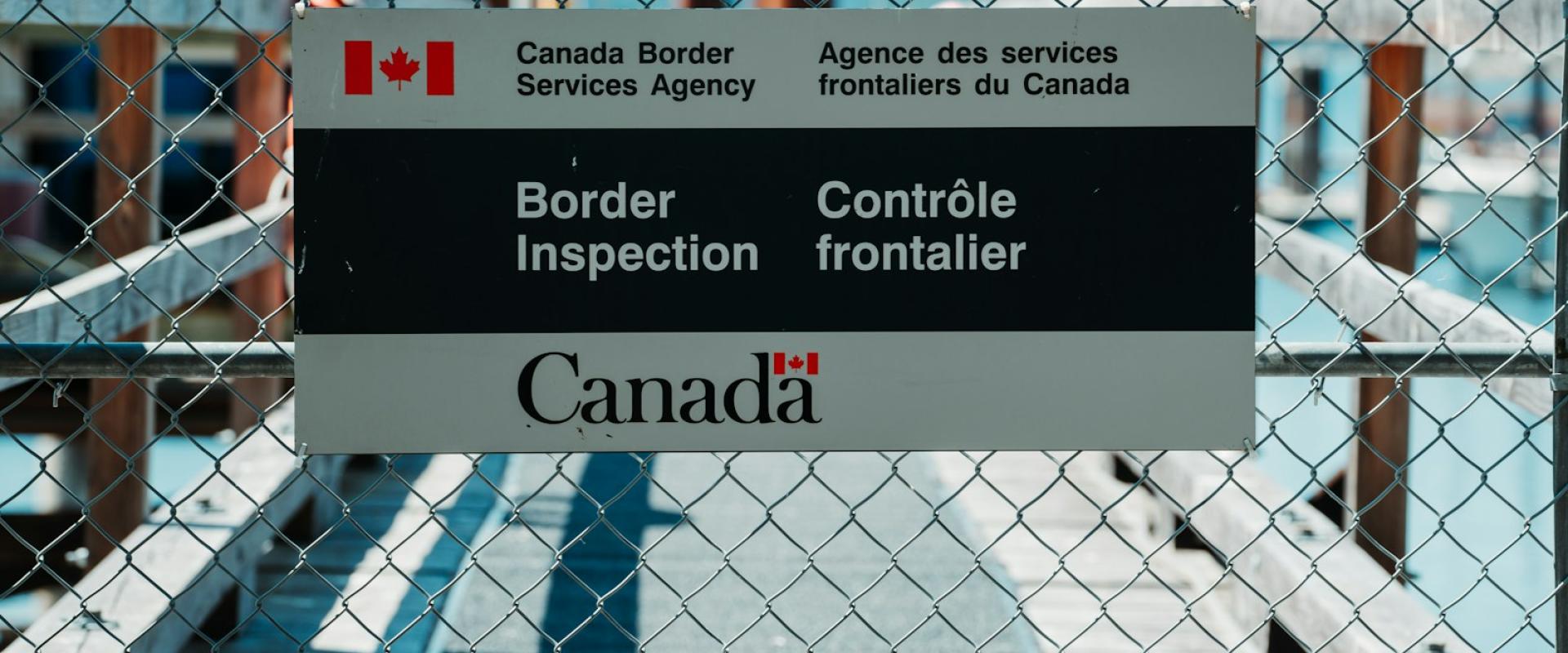
Canada enforces strict border entry requirements for all visitors. You must declare all goods, including gifts and souvenirs, upon arrival. Failure to declare items can result in significant fines or entry denial. Strict prohibitions apply to firearms, ammunition, and specific food items. These restrictions protect Canadian agriculture and public safety. You must present proof of onward travel to demonstrate your intent to leave. Border officers also verify financial solvency to ensure you can support yourself. Interact politely with Canada Border Services Agency officers. Maintain a calm demeanor and answer questions directly. Rudeness or evasion may trigger secondary inspections. Canada values courtesy and adherence to rules. This cultural norm extends to border interactions. Be prepared for potential delays during peak travel seasons. Have your visa or Electronic Travel Authorization ready. Ensure your passport is valid for the duration of your stay. Understanding these protocols ensures a smooth entry process. Respect local laws to avoid legal complications. Politeness is a key component of Canadian etiquette. It facilitates smoother interactions with officials and locals alike. Always check current regulations before your trip. Rules regarding prohibited items change periodically. Staying informed prevents unnecessary issues at the border. Your cooperation helps maintain national security and order.
Wildlife and Environmental Hazards
Canada’s vast wilderness requires strict safety protocols. You must carry bear spray in grizzly and black bear territories. Keep it accessible, not buried in your pack. Learn to use the device before arrival. Proper food storage prevents dangerous wildlife encounters. Use provided bear-proof lockers at campsites. Never leave food in tents or vehicles. Store scented items in sealed containers. Maintain a safe distance from all animals. This applies to moose, elk, and bears alike. Do not approach wildlife for photographs. Wild animals are unpredictable and potentially lethal. Awareness of regional hazards is critical. Western Canada faces severe wildfire risks in summer. Check local air quality indexes before hiking. Coastal regions have dangerous tidal zones. Always check tide charts before beach activities. Riptides can pull swimmers out to sea quickly. Respect local signage and closure warnings. These signs indicate immediate physical danger. Follow all park regulations strictly. Violations can result in heavy fines. Emergency services respond slowly in remote areas. Carry a fully charged satellite communicator. Inform others of your travel itinerary. Prepare for sudden weather changes. Layers are essential for temperature regulation. Hydration is vital in dry climates. Canada’s environment demands respect and preparation. Prioritize safety over convenience at all times.
Quebec Language and Cultural Norms
Quebec enforces strict language laws under the Charter of the French Language. Businesses must display French signage prominently. English-only signs are often illegal in commercial settings. You must respect these regulations to avoid fines. Learning basic French phrases is essential for daily interactions. While many residents speak English, French is the official language. Using French greetings shows respect for local culture. It facilitates smoother transactions and social exchanges. Canadians value politeness and quiet formality in public. Maintain moderate voices in restaurants and transit hubs. Personal space is highly respected across the country. Avoid loud conversations or aggressive body language. Greetings often include a firm handshake or cheek kiss. Always say "please" and "thank you" in both languages. Dining etiquette requires waiting for hosts to begin eating. Tipping is customary, typically 15 to 20 percent. Sales tax applies to most goods and services. Check specific provincial rates before budgeting. Quebec’s distinct civil law system differs from other provinces. Familiarize yourself with local customs before arrival. Cultural sensitivity enhances your travel experience significantly. Respect diverse immigrant backgrounds and multicultural traditions. Avoid stereotypes about hockey or lumberjacks. These are not universal Canadian identities. Courtesy remains a universal expectation nationwide. Adherence to rules ensures a respectful visit. Prioritize understanding local norms for safety and comfort.
Indigenous Respect and Engagement
Canada recognizes three distinct Indigenous groups: First Nations, Inuit, and Métis. Each group maintains unique cultural protocols and traditions. You must respect these differences when visiting communities. Always ask explicit permission before photographing people or sacred sites. Many locations prohibit photography entirely to protect spiritual integrity. Support Indigenous-owned businesses directly to ensure economic benefit stays local. Book tours operated by Indigenous guides for authentic cultural insights. This practice supports community sovereignty and preserves traditional knowledge. You must adhere to specific cultural protocols during visits. These may include removing shoes or observing silence in certain areas. Environmental stewardship is a core Indigenous value in Canada. Practice Leave No Trace principles rigorously on all lands. Do not remove artifacts, plants, or rocks from natural sites. This action is often illegal and deeply disrespectful. Research the specific nation you plan to visit beforehand. Understand their current land claims and treaty rights. Avoid stereotyping all Indigenous peoples as a monolith. Canada’s multicultural society expects courtesy and respect universally. Maintain moderate voices and respect personal space in interactions. Learn basic greetings in the local Indigenous language if possible. This gesture demonstrates genuine interest and respect for the host community. Always prioritize consent and clear communication in all engagements.
Canada operates on a service culture heavily reliant on tipping. Standard practice dictates leaving 15 to 20 percent of the pre-tax bill in restaurants. This applies to sit-down dining experiences primarily. You should also tip taxi drivers and rideshare drivers similarly. Hairdressers and baristas typically expect a small percentage or rounded-up change. Politeness remains a cornerstone of Canadian social interaction. You must use "please" and "thank you" frequently in all transactions. Holding doors for others is a common expectation in public spaces. Queuing is strictly enforced in most public settings. Cutting in line is considered highly rude and unacceptable. Punctuality is valued in both professional and social contexts. Arriving late without notice is often seen as disrespectful. Canadians generally respect personal space and quiet formality. Maintain a moderate voice in public areas like transit or cafes. Avoid loud conversations or aggressive body language. Respect for diversity is universal due to high immigration rates. Do not assume stereotypes about hockey or lumberjacks apply to everyone. Avoid sensitive political topics unless invited into the conversation. Adapting to local social cues ensures positive interactions. Observe how locals behave in similar situations. Mirroring their politeness level helps build rapport. Always apologize if you accidentally bump into someone. This small gesture maintains social harmony effectively.