







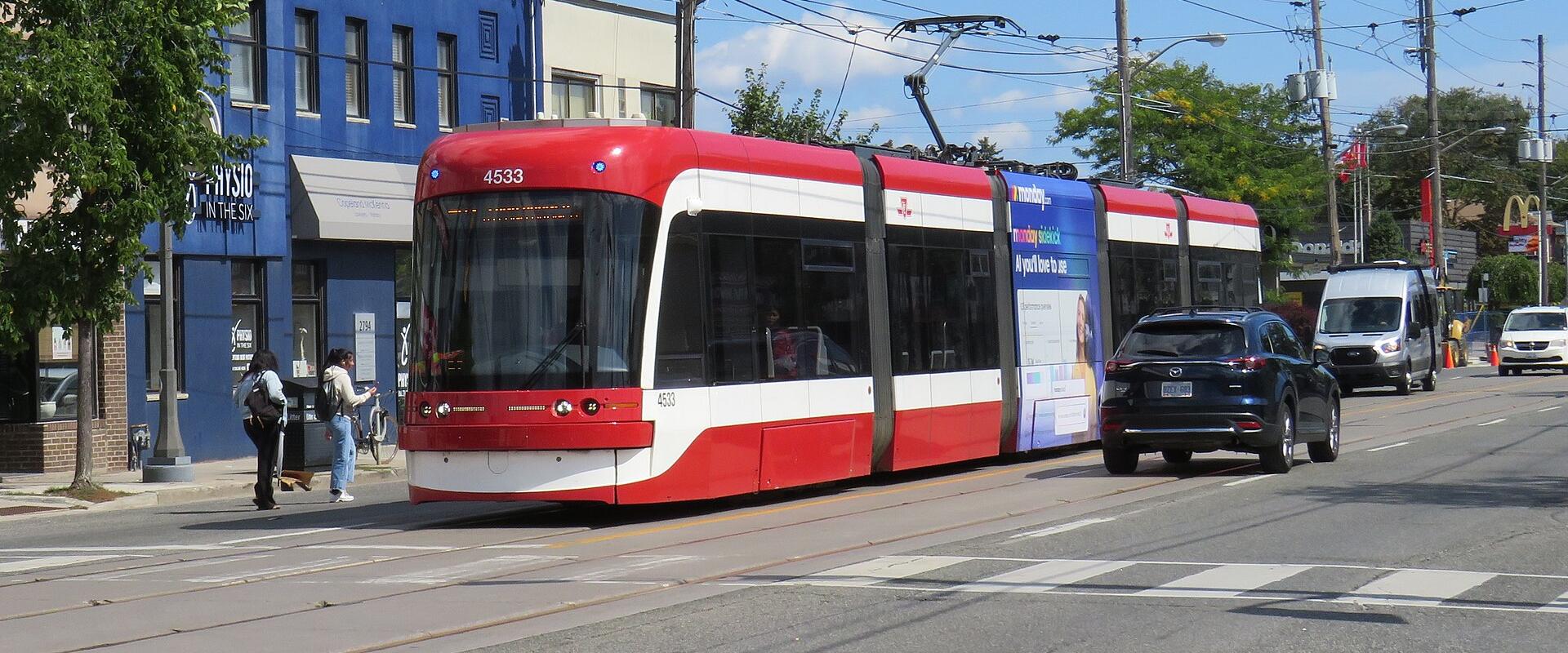
Canadian urban transit systems operate with distinct regional structures. Toronto relies on the Toronto Transit Commission (TTC). The TTC manages an extensive network of subways, streetcars, and buses. This system serves the Greater Toronto Area efficiently. Vancouver utilizes TransLink for its public transportation needs. TransLink integrates buses, SkyTrain, and SeaBus services. This integration supports the metropolitan area of British Columbia. Montreal operates the Société de transport de Montréal (STM). The STM provides bus and metro services across the city. Calgary offers CTransit, known locally as Transit. This system serves the city of Calgary effectively. Each major city maintains a unique operational structure. Riders must identify the specific local operator for accurate information. Payment methods and fare structures vary significantly between regions. Understanding local rules is essential for smooth travel. The infrastructure supports diverse modes of urban transport. Subways, buses, and streetcars form the core network. Accurate navigation requires awareness of local operational details. Travelers should verify specific route information before traveling. This approach ensures a reliable and efficient transit experience. Canadian cities prioritize accessible and integrated public transport solutions.
Fare Systems and Payment
Canadian transit systems have largely shifted from cash to digital payments. Major cities like Toronto, Vancouver, and Montreal now prioritize contactless technology. The Toronto Transit Commission (TTC) uses the PRESTO card. This smart card streamlines boarding for buses, subways, and streetcars. Similarly, Vancouver’s TransLink operates the Compass Card for seamless travel across its network. Montreal’s STM utilizes the OPUS card for its extensive bus and metro services. These prepaid cards offer significant cost advantages over single-ride tickets. Riders typically save money by loading funds onto these reusable cards. Mobile applications have also become essential for modern transit users. Most major agencies provide official apps for real-time schedule tracking. These apps often support digital ticket purchases directly on smartphones. This eliminates the need for physical card storage or cash handling. However, payment systems remain strictly local to each city. A PRESTO card does not work on Vancouver buses. An OPUS card is invalid on Toronto streetcars. Travelers must purchase the specific card required for their destination. Understanding these local requirements ensures a smooth and efficient journey. Always verify the accepted payment method before boarding any vehicle.
Service Hours and Frequency
Most Canadian urban transit systems operate from approximately 6:00 AM to 1:30 AM. This schedule applies to major networks in Toronto, Vancouver, and Montreal. Weekend service often begins later, typically around 8:00 AM. Evening frequencies decrease significantly after 9:00 PM. Commuters should expect higher congestion during morning and evening peak hours. These peaks usually occur between 7:00 AM and 9:00 AM, and 4:00 PM to 6:00 PM. To avoid crowded trains and buses, travelers can shift their schedules slightly. Utilizing real-time transit apps provides accurate arrival predictions and service alerts. These tools help passengers plan trips around unexpected delays or route changes. Holiday schedules may differ from standard weekday operations. Service often runs on a reduced weekend timetable during statutory holidays. Seasonal adjustments also occur, particularly in cities with harsh winters. Snowfall can impact bus speeds and subway reliability. Passengers should check official agency websites for specific holiday notices. Understanding these variations ensures efficient navigation of Canada’s public transit networks. Planning ahead minimizes wait times and travel stress for newcomers.
Etiquette and Accessibility
Passengers must allow riders to exit before entering vehicles. This rule applies to all TTC buses and streetcars. Priority seating is reserved for seniors and individuals with disabilities. You must vacate these seats when others need them. Winter hygiene is critical due to cold weather. Wipe your feet to remove salt and slush from floors. Maintain personal space to respect fellow commuters in crowded cars.
Accessibility features ensure inclusive travel across major Canadian cities. Elevators connect street levels to subway platforms in Toronto and Montreal. Ramps assist wheelchair users on most bus models. Audio-visual announcements inform passengers of upcoming stops. These systems help those with visual or hearing impairments. Always check official accessibility guides before planning your route. These resources detail elevator outages or temporary ramp closures.
Emergency procedures prioritize passenger safety during transit incidents. Use emergency buttons to contact operators immediately. Staff members provide assistance for medical or security issues. Report any accessibility barriers to transit authorities promptly. This feedback helps improve service for all users. Respectful behavior ensures a comfortable environment for everyone. Follow posted signs and listen to operator instructions. Adhering to these norms supports efficient and safe public transit operations in Canada.
Safety and Practical Tips
Canadian cities maintain low crime rates on public transit. Standard precautions remain advisable for all passengers. You should stay aware of your surroundings at all times. Emergency procedures are clearly marked on all vehicles and stations. Look for emergency buttons inside buses and subway cars. These features allow immediate contact with transit staff. Staff can assist with medical issues or security threats. Winter conditions require extra caution on Canadian streets. Ice and snow create slippery surfaces at transit stops. Wear footwear with strong traction to prevent falls. Wait inside heated shelters when possible during storms. Check real-time updates for service delays caused by weather. Backup plans are essential for reliable urban navigation. Ride-sharing apps and taxi services operate in major cities. Use these options if transit services are suspended. This strategy ensures you reach your destination safely. Keep your phone charged for emergency communication. Download local transit apps for real-time tracking. This helps you avoid long waits in cold weather. Always have a small amount of cash for emergencies. Most systems prefer digital payments, but cash is useful. Know the location of the nearest help point. This knowledge provides peace of mind during travel. Prioritize well-lit areas when waiting for late-night buses. Avoid isolated platforms during off-peak hours. These steps ensure a safe and efficient journey.