






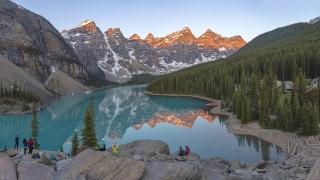

The Layering Logic: Mastering the Canadian Climate
Canada features a continental climate with extreme temperature variations. You must prioritize a proper layering system for your trip. This strategy adapts to specific seasonal demands effectively. Spring and autumn temperatures range from 8°C to 19°C. Rainfall averages 74mm during May, requiring waterproof gear. You need a three-layer system for optimal comfort. The base layer manages moisture against your skin. The mid-layer provides essential insulation against the cold. The outer layer shields you from wind and rain. Winter severity demands specialized thermal and windproof gear. Insulated boots are critical for navigating icy conditions. Pack A/B plugs for electrical compatibility in Canada. Prepare for bilingual environments in English and French. Research local etiquette before visiting rural communities. Ask permission before photographing people in traditional areas. The complete packing list includes 122 specific items. This total weight is approximately 21.9 kilograms. Plan your luggage carefully to manage this weight. Focus on practical items for varied regional climates. This approach ensures safety and comfort throughout your stay.
Seasonal Specifics: From Summer Humidity to Winter Extremes
Canadian weather demands precise layering. Summer heat requires breathable fabrics. Sun protection remains essential throughout the season. Insect repellent is necessary for humid regions. Winter brings severe cold to most provinces. You must pack insulated boots for ice. Heavy parkas provide necessary thermal protection. Frostbite protection is critical in extreme cold. Layering remains the primary defense strategy. Transitional seasons require versatile mid-layers. Rain gear is essential for spring. May often brings seven centimeters of rainfall. Temperatures range from eight to nineteen degrees Celsius. Regional variations dictate specific packing needs. Humidity levels vary significantly by province. Western regions may experience different patterns. Eastern provinces often face higher humidity. Always check local forecasts before packing. The climate is highly variable. Prepare for four distinct seasons. Pack items that serve multiple purposes. This approach reduces total luggage weight. Aim for a manageable total weight. Efficient packing ensures comfort and safety. Prioritize functionality over fashion choices. Verify electrical plug types for devices. Pack A/B plugs for Canadian outlets. Be prepared for bilingual environments. Research local etiquette for your destination. Ask permission before photographing people. This practice respects rural communities. Proper preparation prevents weather-related issues. Stay informed about local weather alerts. Plan activities around seasonal conditions. This strategy maximizes your travel experience.
Footwear and Accessories for Diverse Terrains
Canadian terrain demands specialized footwear. Urban travel requires comfortable walking shoes. City sidewalks are paved and generally clear. Wilderness exploration necessitates insulated, waterproof boots. Temperatures drop significantly in northern regions. Ice safety is critical during winter months. You must select boots with strong traction. This prevents slipping on ice or snow. A sturdy backpack is essential for day trips. It carries layers and emergency supplies. Sunglasses protect eyes from intense glare. Snow and water reflect harmful UV rays. Pack hand and toe warmers for winter. These provide necessary heat in extreme cold. Electronics require protection from low temperatures. Cold weather drains battery life rapidly. Keep devices close to your body. This maintains warmth and functionality. Layering remains key for all activities. Adjust clothing based on immediate conditions. Canada’s climate varies by province and territory. Research local weather alerts before departure. Proper gear ensures safety and comfort. Avoid cotton in wet conditions. Synthetic materials dry faster and retain heat. This approach works for all seasons.
Logistics, Safety, and Cultural Etiquette
Pack Type A or B electrical plugs for Canadian outlets. These are standard across the country. Canada operates as a bilingual nation. You will encounter English and French signage. Respect this linguistic duality in all interactions. Photography etiquette requires specific caution. Always ask permission before photographing people. This rule is critical in rural areas. Traditional communities value privacy strictly. Always seek consent before taking photos. Safety in rural areas demands preparation. Remote regions lack immediate medical support. Pack essential medications in your carry-on. Include a basic first-aid kit. Inform others of your travel route. Weather changes rapidly in northern regions. Check local alerts before hiking. Prepare for sudden temperature drops. Layering remains the most effective strategy. Always carry extra warm layers. This ensures safety during unexpected weather shifts. Staying informed is crucial for safety.
Smart Packing Strategies for Efficiency
1. **Prioritize Versatile Layers:** Canada’s continental climate demands adaptable clothing. Pack items suitable for 8°C to 19°C ranges. This covers typical May conditions effectively. Avoid single-purpose garments that waste space. Choose fabrics that dry quickly. This reduces overall luggage weight significantly.
-
Optimize Space Utilization: Roll clothes tightly to save room. Use packing cubes to organize categories. This method keeps your bag structured. It also simplifies security checks. The guide suggests a total weight of 21.9 kg. Adhere to this limit strictly.
-
Local Shopping Backup: You can buy essential items locally. Canadian retailers stock standard clothing. This reduces the need to overpack. Rely on local stores for basics. This strategy minimizes initial luggage weight. It provides flexibility for unexpected needs.
-
Electrical Needs: Remember to pack a Type A or B plug adapter. Canadian outlets use the same standard. This ensures your electronics remain functional. Do not assume universal compatibility. Verify adapter needs before departure.
-
Final Check: Ensure all items fit within the 21.9 kg limit. This prevents extra fees at check-in. Efficient packing ensures a smoother travel experience. Focus on practical, multi-use items only.