



Cultural Immersion Overview
Indigenous-owned lodging in Canada represents over 1,900 businesses. These operators drive the national Indigenous tourism economy. The sector offers diverse accommodations across the country. Options range from luxury resorts to rustic wilderness lodges. Travelers can book yurts, teepees, cabins, or RV parks. Many properties feature spas, wineries, and wellness retreats. All sites are owned and operated by Indigenous Peoples. This structure ensures personalized hospitality from local hosts. Stays emphasize proximity to nature and land stewardship. Choosing these lodges supports tangible local outcomes directly. Revenue funds language revitalization and youth training programs. Funds do not go to distant shareholders. The industry is now mature and sophisticated. Owners collaborate with cultural leaders on long-term strategies. This creates respectful experiences for travelers nationwide. The accommodations blend comfort with cultural authenticity. Guests access unique programming shaped by community priorities. Menus and art reflect specific Indigenous traditions. This model shifts tourism toward ethical travel practices. It prioritizes community benefit over external profit. Travelers engage directly with Indigenous hospitality standards. The experience connects guests to the Canadian landscape. This approach defines modern Indigenous tourism in Canada.
Accommodation Typologies
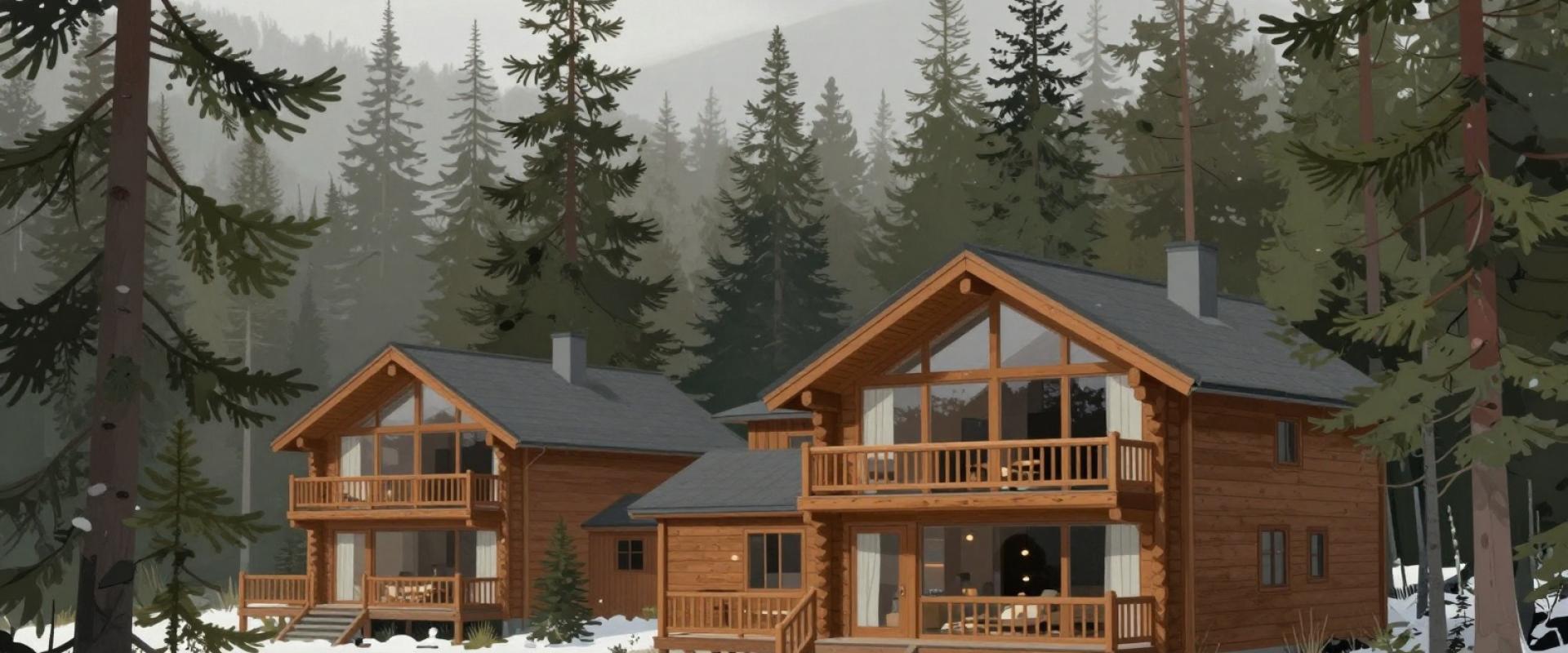
Indigenous-owned lodging in Canada spans diverse architectural typologies. These structures adapt to specific regional environments. Arctic properties often utilize insulated designs for extreme cold. Pacific Northwest accommodations frequently feature longhouse-inspired wooden frameworks. Prairie sites may incorporate teepee-style canvas structures for seasonal stays. Eastern regions offer rustic cabins integrated into dense forests. Modern amenities are consistently integrated with traditional designs. Guests find Wi-Fi and heating in historic-style dwellings. Luxury resorts provide spas and fine dining options. Rustic wilderness lodges offer basic comforts near nature. Unique formats include yurts and glamping sites. These options range from high-end hotels to intimate B&Bs. Many properties include recreational amenities like golf courses. Some sites feature casinos or wineries with tasting rooms. All accommodations are owned and operated by Indigenous Peoples. This ensures personalized hospitality from local hosts. The sector includes over 1,900 businesses nationwide. Operators drive the Indigenous tourism economy significantly. Choices support language revitalization and youth training programs. Travelers access tangible local outcomes through their bookings. The industry has evolved into a mature sector. Owners collaborate on long-term strategies for respectful experiences. Nature integration remains a core operational priority. Proximity to land defines the guest experience. Options cater to both rugged adventures and relaxation. The variety ensures suitability for all traveler preferences.
Regional Destinations Guide
Indigenous-owned lodging clusters define Canada’s regional hospitality landscape. British Columbia offers luxury resorts and rustic wilderness cabins. These properties integrate seamlessly with coastal and mountain ecosystems. Travelers access these sites via major highways or small aircraft. Seasonal operations vary by elevation and weather conditions. The North features insulated lodges designed for extreme cold. These structures prioritize thermal efficiency and cultural authenticity. Access often requires chartered flights or winter roads. Operating seasons are short, typically limited to summer months. The Prairies provide intimate bed and breakfasts near grasslands. These accommodations emphasize agricultural heritage and local cuisine. Transportation is primarily by car via provincial highways. Central Canada hosts unique structures like yurts and teepees. These sites offer proximity to national parks and forests. Booking requires advance planning due to high demand. Atlantic Canada features coastal lodges with marine views. Properties here focus on seafood and maritime history. Seasonal variations are significant, with winter closures common. All regions prioritize ecological stewardship and cultural education. Guests engage with local hosts for personalized experiences. The sector supports language revitalization and youth training. Over 1,900 businesses operate across these diverse regions. Each property reflects specific community priorities and land stewardship. Travelers should verify seasonal availability before booking. Transportation costs vary significantly by remote location. Luxury amenities coexist with rugged outdoor adventure options. Wellness retreats and wineries are available in select areas. Indigenous tourism drives tangible local economic outcomes. Cultural programming is integrated into the daily stay. Guests participate in art, menus, and guided tours. This model ensures respectful and meaningful travel experiences. The infrastructure supports both comfort and authentic connection.
Booking and Accessibility Logistics
Indigenous-owned lodging in Canada requires strategic planning. Inventory remains limited across the nation. Travelers must book well in advance. Direct booking is often the most reliable method. Third-party platforms may not list all properties. Some remote lodges lack online reservation systems. You must contact operators directly for availability. Connectivity constraints affect digital booking processes. Many locations have poor cellular service. Internet access can be intermittent or unavailable. Payment methods vary by property type. Credit cards are accepted at larger resorts. Smaller cabins may require cash deposits. Bank transfers are common for remote sites. Accessibility considerations differ significantly by region. Urban properties offer standard ADA-compliant features. Remote wilderness lodges face physical barriers. Gravel roads limit vehicle access in winter. Some trails are unsuitable for wheelchairs. Staff can provide specific mobility details. You should inquire about terrain conditions. Transportation logistics require careful coordination. Some sites lack public transit options. Shuttle services may be available for a fee. Fuel availability is critical in northern regions. Plan for extended travel times between stops. Weather impacts accessibility year-round. Spring thaw can render roads impassable. Always verify current road conditions before arrival. Cultural protocols may influence access rules. Respect local guidelines during your stay.
Cultural Protocols and Engagement
Indigenous-owned lodging in Canada enforces specific cultural protocols. These rules ensure respectful engagement with local communities. Guests must prioritize reciprocal relationships over standard tourism. Photography restrictions vary by property and nation. Always ask explicit permission before taking images. Some areas prohibit photography entirely to protect sacred sites. Mandatory guided interpretations are common at many lodges. These tours provide accurate cultural context and history. They prevent misrepresentation of Indigenous traditions and stories. Dress codes emphasize modesty and respect for local norms. Avoid revealing clothing in ceremonial or communal spaces. Behavioral expectations include quiet observation in sacred areas. Listen actively to elders and guides during interactions. Reciprocal engagement requires genuine interest in local culture. Support community initiatives through direct purchases and participation. This approach sustains language revitalization and youth training programs. ITAC data confirms these practices drive economic outcomes. Travelers should view stays as cultural exchanges. Respect for land stewardship is a core expectation. Follow all posted guidelines regarding waste and noise. Adherence to these protocols enhances the overall experience. It ensures the longevity of Indigenous hospitality sectors. Prioritize learning over leisure during your visit. This mindset aligns with the values of Canadian Indigenous operators. Their goal is authentic connection, not just accommodation. Understanding these nuances is essential for responsible travel. It transforms a simple stay into meaningful engagement. Always defer to local hosts on protocol questions. Their guidance ensures you remain a respectful guest. This approach benefits both travelers and host communities. It fosters mutual understanding and cultural preservation across Canada.
Practical Planning Checklist
Verify operational status before booking. Indigenous properties often adjust schedules seasonally. Confirm open dates directly with the lodge. Transportation logistics require careful planning. Many lodges are in remote Canadian regions. You may need specialized vehicles for access. Check road conditions for seasonal closures. Rent a 4WD vehicle if necessary. Review cultural protocols before arrival. Respect local customs and land stewardship rules. Inquire about specific etiquette for each site. Pack appropriate gear for Canadian weather. Layers are essential for variable conditions. Include warm clothing for cold nights. Review insurance coverage for remote areas. Standard policies may not cover all risks. Verify specific coverage for adventure activities. Budget for additional on-site activities. Many lodges offer guided tours or workshops. These costs are often separate from room rates. Plan extra funds for meals and gifts. Support local artisans by purchasing locally. This supports the local Indigenous economy directly. Ensure all bookings are confirmed in writing. Direct communication with the operator is best. This ensures accurate and up-to-date information. Prioritize respectful engagement throughout your stay.