




Indigenous Foundations
Canada’s history begins with Indigenous peoples. Three distinct groups define this heritage. First Nations inhabit diverse territories across the land. Inuit communities thrive in the northern Arctic regions. Métis people emerged from unions between Indigenous and European ancestors. Pre-colonial landscapes hold deep spiritual and practical significance. Artifacts reveal complex trade networks and sustainable practices. These foundations shape modern Canadian identity and law. Visitors must approach this history with respect and care. Indigenous-led tours provide authentic, accurate historical context. They share perspectives often excluded from mainstream narratives. Such tours support local economies directly. Protocols vary significantly between different nations and communities. Always seek permission before visiting sacred sites. Some locations remain closed to the public entirely. Respect signage and guidance from local elders. Avoid touching ancient artifacts or disturbing the land. Learn about specific treaties relevant to your region. Understanding these agreements clarifies current political landscapes. Engage with Indigenous museums and cultural centers. These institutions preserve languages and traditional knowledge. Your visit contributes to cultural preservation efforts. Approach every interaction with humility and openness. Recognize Indigenous sovereignty and ongoing resilience. This foundational layer remains vital to Canada’s story.
Colonial Rivalries
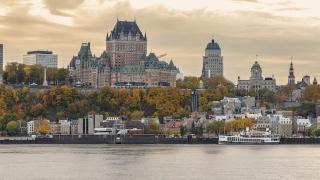
France and Britain competed for control of Canadian territories. New France established settlements along the St. Lawrence River. British colonies expanded along the Atlantic coast. This rivalry defined early Canadian political boundaries. The Seven Years’ War decided the continent’s fate. British forces captured Quebec City in 1759. The Treaty of Paris in 1763 formalized British rule. French culture survived under British sovereignty. Quebec City retains its historic walled district. Old Quebec features stone fortifications from the era. Nova Scotia also reflects this colonial heritage. Halifax serves as a key historical port. These sites preserve the dual heritage narrative. Indigenous peoples faced displacement during this expansion. The British Crown imposed new administrative systems. French civil law remained in private matters. This unique blend shapes modern Canadian identity. Travelers can explore historic forts in Quebec. These sites offer insights into military history. The landscape reflects centuries of political struggle. Understanding this history clarifies current cultural dynamics. The interplay between French and British traditions remains visible. This duality defines Canadian national character. Visiting these sites provides historical context. The physical structures anchor the historical narrative. This perspective is essential for understanding Canada.
Confederation Origins
British North America faced economic stagnation and American threats. Leaders sought unity for survival. The Charlottetown Conference in 1864 launched formal talks. Delegates from multiple colonies gathered in Prince Edward Island. They agreed to pursue a federal union. Subsequent meetings in Quebec and London refined the plan. The British North America Act passed in 1867. It created the Dominion of Canada on July 1. Ontario, Quebec, Nova Scotia, and New Brunswick joined initially. Ottawa became the capital city. Queen Victoria selected it for its central location. The Parliament Buildings showcase Gothic Revival architecture. This style symbolized British heritage and stability. Confederation was not instantaneous. It required years of negotiation and compromise. The nation expanded gradually westward and northward. Manitoba entered in 1870. British Columbia joined in 1871. This slow growth shaped modern regional identities. Political power remained concentrated in the east initially. Western provinces demanded greater representation later. The original four provinces set the legal framework. Their cooperation established the foundation for future provinces. This historical context explains current federal-provincial tensions. Understanding these origins clarifies Canada’s political structure today.
20th Century Evolution
Canada fought in both World Wars. These conflicts tested national unity. The Balfour Declaration of 1926 granted legislative independence. The Statute of Westminster in 1931 confirmed this status. Canada controlled its own foreign policy by then. Domestic changes followed rapidly. The Quiet Revolution transformed Quebec in the 1960s. Secularism replaced traditional Catholic influence. The Patriation of the Constitution occurred in 1982. This act brought the Charter of Rights and Freedoms. It guaranteed fundamental liberties for all citizens. Multiculturalism became official policy in 1971. This approach celebrated diverse cultural heritages. Indigenous reconciliation remains a critical ongoing process. Truth and Reconciliation Commissions highlighted residential school abuses. Visitors should explore the Canadian Museum of History in Gatineau. It offers updated, inclusive narratives of these events. The Canadian War Museum in Ottawa details military contributions. These sites provide essential context for modern Canada. Understanding this evolution clarifies current social dynamics. Travelers gain deeper insight into national identity. Historical sites anchor abstract political concepts in physical space. They preserve memory for future generations.
Parks Canada manages most national historic sites across Canada. Many sites offer free admission for children under twelve. You must verify specific operating hours before visiting. Seasonal closures are common in northern regions. Winter conditions often restrict access to remote locations. Check official websites for current status updates. Advance booking is required for guided tours. This ensures availability during peak summer months. Accessibility features vary by site location. Some historic buildings lack modern elevator installations. Plan alternative routes if mobility is limited. Respect Indigenous protocols at sacred or ceremonial grounds. Do not touch artifacts or historical structures. Photography may be restricted in sensitive areas. Follow all posted signage and ranger instructions. These rules protect fragile historical integrity. Bring appropriate clothing for variable Canadian weather. Carry cash for small on-site purchases. Free parking is usually available on-site. Check specific site websites for detailed logistical advice. This ensures a respectful and smooth visit. Historical preservation requires active visitor cooperation. Your compliance helps maintain these national treasures. Plan your itinerary well in advance. This avoids disappointment during busy holiday periods. Always prioritize safety and historical respect.