







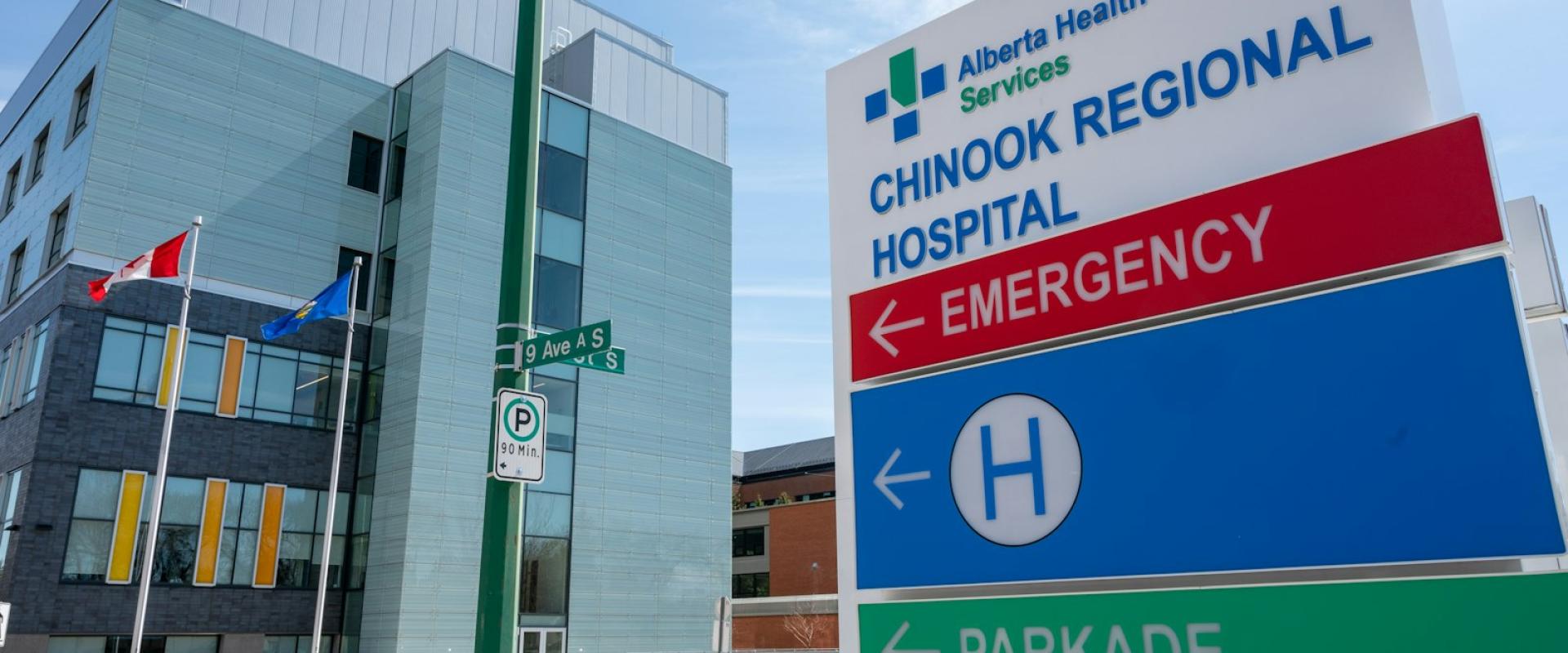
Emergency Protocols
Dial 911 for all immediate life-threatening emergencies across Canada. This universal number connects you to police, fire, and medical services. Ambulance response times vary significantly by region and urban density. Non-residents often face substantial fees for ambulance transport. Ontario charges approximately $450 CAD for non-emergency or emergency transport. Other provinces may have different fee structures for visitors. Always carry proof of travel health insurance to cover these costs. For non-life-threatening medical issues, use provincial health information lines. Health811 serves Ontario residents and visitors for triage advice. HealthLink BC provides similar services for those in British Columbia. Info-Santé operates in Quebec for French and English speakers. These lines offer professional guidance on whether to visit an emergency room. They help reduce unnecessary strain on hospital emergency departments. TTY and TDD accessibility is available for 911 services. This ensures communication access for individuals with hearing or speech disabilities. Do not use provincial health lines for active cardiac arrest or severe trauma. Always call 911 directly in such critical situations. Remember that public healthcare does not cover visitors. You are responsible for all medical costs incurred during your stay. Keep emergency contact numbers saved in your phone before traveling. Verify your insurance policy covers ambulance services specifically. This preparation ensures faster, smoother access to necessary care.
Visitor Coverage Realities
Canada’s public healthcare system excludes non-residents entirely. Visitors do not qualify for provincial health cards. You must pay out-of-pocket for all medical services received. This includes doctor visits, diagnostic tests, and specialist consultations. Emergency room fees are substantial and vary by province. A single emergency visit can cost thousands of dollars. Hospitalization expenses are even higher, often reaching tens of thousands. You are legally required to stabilize patients in emergencies. However, hospitals will bill you directly for all care provided. There is no automatic coverage for foreign nationals. Private travel insurance is mandatory for safe travel. It covers emergency medical treatment and hospital stays. Without insurance, you face significant financial liability. Medical evacuation costs are also excluded from public funds. These evacuations can exceed $50,000 without proper coverage. Always carry proof of insurance while in Canada. Keep policy details accessible for hospital staff. Public clinics will not treat you without payment proof. Plan your budget to include comprehensive private coverage. This protects you from unexpected and severe medical debts. Do not rely on public systems for visitor care. Secure adequate insurance before arriving in Canada. This is a critical requirement for all travelers. Ignoring this leads to severe financial consequences. Ensure your policy covers pre-existing conditions if applicable. Review limits carefully to match potential medical costs. This preparation ensures you receive necessary care without worry.
Use the Emergency Department only for life-threatening conditions. These facilities handle critical trauma and acute cardiac events. Wait times are often lengthy for non-urgent cases. Visit Walk-In Clinics for urgent, non-life-threatening issues. These centers treat minor fractures, infections, and sprains. They operate without appointments, offering same-day service. Family Doctors provide routine preventive care and chronic management. However, this service is generally inaccessible to visitors. Non-residents cannot register with Canadian family physicians. You must locate facilities using provincial health ministry directories. Each province maintains an online search tool for clinics. These directories list addresses, phone numbers, and hours. Use these official resources to find nearby providers. Avoid private hospitals unless you have specific insurance. Public facilities are funded by provincial tax revenues. Costs are covered by your provincial health card. Visitors must pay out-of-pocket for all services. Bring proof of private travel insurance when seeking care. Keep copies of all receipts for reimbursement claims. Know the difference between urgent and emergency care. Misusing the ED strains the public system. Choose the appropriate facility based on symptom severity. This approach ensures faster treatment and better resource allocation. Always verify clinic hours before traveling to the site. Many walk-in centers close early in the evening. Plan your visit during standard business hours when possible.
Prescription and Medication
Bring a maximum 90-day supply of all prescription medications. Keep every drug in its original, labeled pharmacy packaging. This requirement applies to all controlled substances and standard prescriptions. Carry a copy of your prescription or a letter from your doctor. This document must list generic names and dosages. Health Canada strictly regulates which substances are legal. Check the Health Canada website before traveling. Verify that your specific medication is not prohibited. Some common international drugs are illegal in Canada. Over-the-counter (OTC) drugs differ significantly from US products. Brand names often change across the border. Active ingredients may vary in strength or formulation. Do not assume equivalent products exist. Consult a Canadian pharmacist before purchasing OTC items. They can identify safe, legal alternatives. Self-medication with unverified products carries legal risks. Always verify ingredient lists against Canadian standards. Public pharmacies are widely available in urban areas. Rural regions may have limited access. Plan your medication supply carefully before arrival. Running out of essential medication is difficult. Provincial regulations govern drug distribution and sales. Ensure your supply lasts your entire stay. Do not share prescriptions with others. This is a serious criminal offense in Canada. Keep medications in your carry-on luggage. Lost checked bags create immediate health crises. Verify insurance coverage for prescription refills. Public health cards do not cover visitors. Private travel insurance is essential for medication costs. Always carry proof of purchase and medical necessity.
Digital Health Resources
Access official government portals for accurate health data. Use Travel.gc.ca for destination-specific safety alerts. This site lists local laws and entry requirements. It provides emergency contact info for Canadian offices abroad. Consult Health Canada for national disease outbreak updates. Their website publishes current public health notices. These alerts cover emerging infectious diseases and risks. Provincial health ministry websites offer local care details. Each province manages its own healthcare delivery system. Visit your province’s site for coverage rules. Telehealth services provide remote medical advice. Provinces like Ontario offer free nurse advice lines. Call 811 in many regions for immediate guidance. These hotlines connect you to licensed nurses. They provide advice on symptoms and care options. Mental health support is available via 9-8-8. This national crisis line offers 24/7 support. It connects callers to local crisis counselors. The service is free and confidential. It assists individuals in acute emotional distress. Digital tools help manage chronic conditions effectively. Monitor your health status through verified digital platforms. Always verify information against official government sources. Avoid unverified social media health claims. Official sites provide evidence-based medical guidance. They ensure you receive accurate and timely information. Use these resources to navigate the system safely. Stay informed about regional health advisories. Prepare for emergencies with digital contact lists. Keep emergency numbers saved in your phone. This ensures quick access during critical situations.