




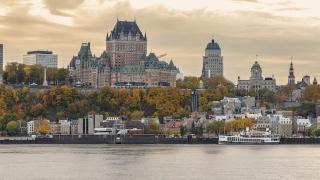



Culinary Landscape Overview
Canada’s food scene reflects its multicultural heritage. Tours highlight distinct regional flavors across provinces. Quebec offers strong French culinary influences. This creates unique dining experiences for visitors. Food holds deep cultural significance in society. It connects diverse communities through shared meals. Specialists curate itineraries for food and drink tours. These trips explore local treasures and hotspots. Travelers gain insights from local experts. Guides reveal off-the-beaten-path culinary destinations. You can browse selections online or in-store. Experts provide advice via phone support. This approach ensures tailored culinary adventures. The landscape varies significantly by region. Each area offers unique local specialties. Tourists experience authentic Canadian culinary traditions. This structure supports a deep exploration of local flavors. The focus remains on authentic, regional experiences. This approach highlights the diversity of Canadian cuisine. It provides a foundation for further exploration. The culinary landscape is dynamic and diverse. It reflects the country's multicultural identity. This diversity is central to the experience. It defines the unique character of Canadian food. The tours connect travelers with local culture. This connection enhances the overall travel experience. The focus is on factual, regional details.
Regional Culinary Highlights
British Columbia tours feature fresh, local produce. Asian influences shape many regional dishes. Chefs prioritize seasonal ingredients from coastal farms. The Pacific Northwest offers distinct flavor profiles. Prairies provide hearty, comfort-focused culinary experiences. Local grains and meats define this cuisine. Tours highlight robust flavors from Saskatchewan and Alberta. Quebec showcases strong French culinary traditions. Poutine and tourtière remain regional staples. Local dairy and maple syrup enhance dishes. Atlantic provinces focus heavily on seafood cuisine. Fresh lobster and crab define coastal menus. Tours often include harbor-side dining experiences. Each region offers unique ingredient sourcing. British Columbia emphasizes international fusion techniques. Prairies celebrate agricultural abundance and tradition. Quebec maintains historic French cooking methods. Atlantic tours highlight maritime harvests. These distinct styles define Canadian gastronomy. Travelers experience diverse regional specialties. Food tours connect visitors with local producers. Each province maintains its culinary identity. Understanding these differences enhances the travel experience. Specific regional ingredients drive menu selections. Tours provide access to local markets. Visitors taste authentic provincial flavors. This diversity supports Canada’s food reputation.
Booking and Logistics
Book food and drink tours in Canada well in advance. Peak seasons require early reservations to secure spots. Specialists like Barrhead Travel offer curated itineraries for these experiences. You can browse options online or visit their physical stores. Calling their experts at 0330 094 0370 provides direct advice. This ensures you receive tailored guidance for your specific needs. Go Canada and Culture Trip also provide useful travel guides. These resources help you discover destinations matching your culinary interests. Always check for online booking options through local travel agencies. Consider dietary restrictions carefully before confirming your reservation. Communicate any allergies or preferences to the tour operator early. Review cancellation policies thoroughly to understand your financial protection. Seasonal availability affects tour options significantly in Canada. Plan your trip around these specific seasonal constraints. This approach ensures a smooth and enjoyable culinary experience.
Cultural Etiquette and Tips
Greet locals with 'bonjour' or 'bonsoir' in French-speaking regions. This shows respect for Quebec’s distinct cultural identity. Tip 15-20% of the bill in restaurants and bars. This standard applies across most Canadian dining establishments. Communicate dietary restrictions clearly to restaurant staff or tour operators. Canadian venues are generally accommodating to allergies and preferences. Be respectful of local customs and open to new experiences. Indigenous food traditions offer unique insights into Canadian heritage. Punctuality is valued when joining guided culinary tours. Arrive five minutes early to ensure a smooth start. Canadian portions can be generous, so plan accordingly. Tipping is expected for service staff in the industry. Always carry cash for small vendors at food markets. Respect quiet hours in residential neighborhoods during evening tours. Ask permission before photographing people or private property. These practices ensure a respectful and enjoyable experience for all participants.
Planning Your Culinary Journey
Identify specific Canadian regions for your tour. Quebec offers distinct French culinary influences. British Columbia highlights fresh, local produce. Research local food scenes before booking. Consult guides on Go Canada for tips. Culture Trip provides expert insights on culinary hotspots. Book tours in advance, especially during peak seasons. Barrard Travel offers curated itineraries for these experiences. Contact experts for specialized advice and support. Flexibility is key to a successful trip. Be open to local recommendations and new experiences. This approach ensures a memorable and enjoyable culinary journey. Plan carefully to maximize your culinary exploration in Canada.