






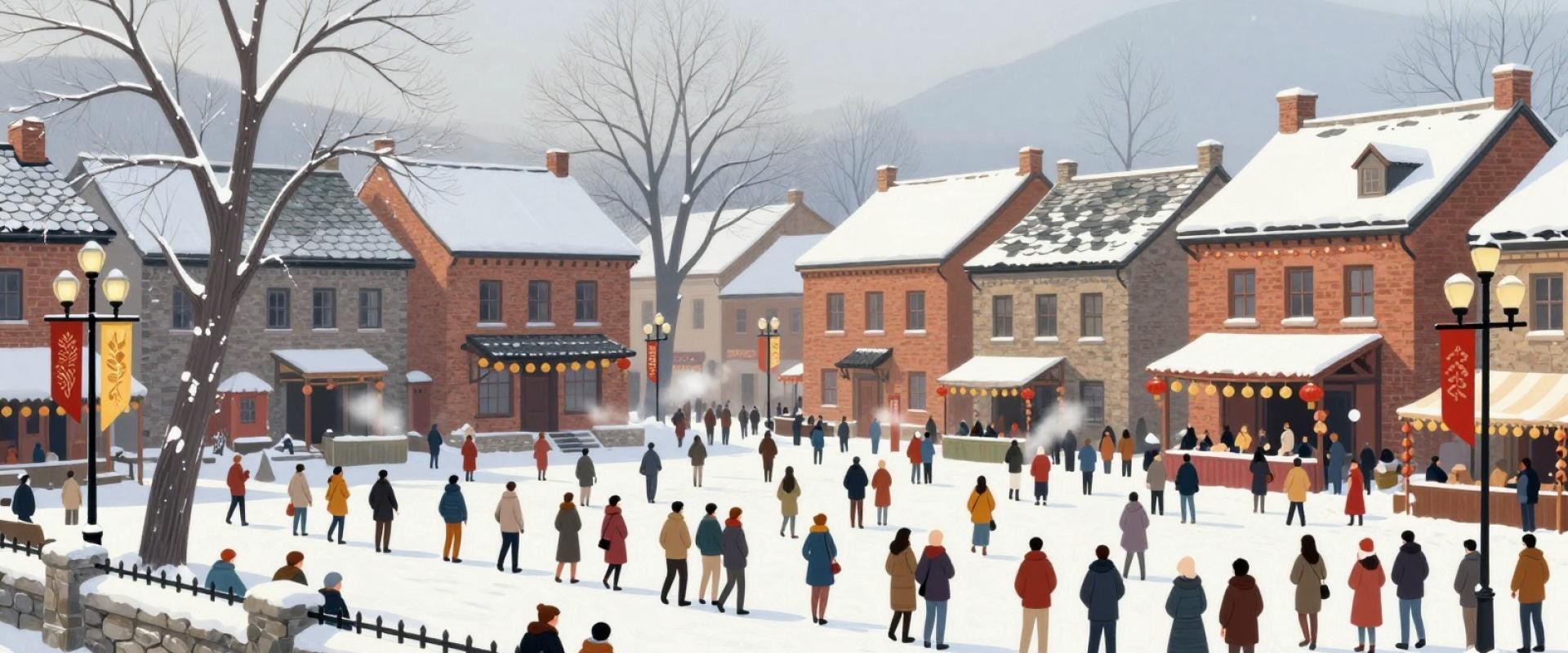
Canadian festivals align with distinct seasonal rhythms. Summer events dominate the calendar. The climate supports outdoor gatherings from June to September. Canada Day on July 1 marks a key national celebration. These events rely on warm weather for attendance. Winter festivals offer a contrasting experience. They occur during the cold months. Ice and snow define the atmosphere. Attendees must dress in heavy winter gear. Travel planning requires checking local weather forecasts. Summer events are generally more accessible. Winter events demand specific cold-weather attire. The seasonal divide shapes the cultural landscape. Travelers should plan attire based on the season. Summer allows for lighter clothing options. Winter requires insulated layers for comfort. This distinction is critical for planning. The climate directly impacts the event experience. Canadian festivals are deeply tied to the seasons. Travelers must respect these seasonal rhythms. Planning ahead ensures a safe experience. The weather is a primary factor. It dictates the feasibility of outdoor activities. Canadian culture is closely linked to these natural cycles. Travelers should prepare for variable conditions. The seasonal rhythm is a key feature of Canadian life.
Regional Hubs and Signature Events
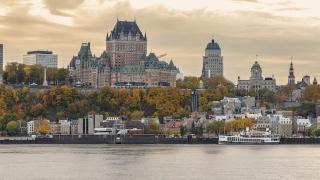
Calgary hosts the Stampede, a major ten-day event in July. This event highlights western Canadian culture and heritage. Quebec City hosts the Winter Carnival in February. This celebration features ice sculptures and cold-weather activities. Montreal offers the International Jazz Festival in June. This event showcases global music within a local context. These festivals reflect distinct provincial identities. Alberta emphasizes western traditions. Quebec emphasizes French-Canadian heritage. The timing aligns with seasonal changes. Summer months support outdoor gatherings. Winter months feature ice-based celebrations. Each region offers unique cultural experiences. The diversity reflects Canada's multicultural society. Travelers can experience local traditions directly. The events are tied to local climate. Summer events dominate the summer calendar. Winter events utilize the cold weather. This alignment creates a unique cultural rhythm. The festivals are key to local identity. They represent the specific character of each region. The events are central to community life. They offer a glimpse into local values. The diversity is a key feature of Canadian culture. The festivals are a major part of the tourism sector. They attract visitors from around the world. The events are a significant part of the economy. They support local businesses and communities. The festivals are a key part of Canadian culture.
Logistics and Accommodation Strategy
Accommodation near major Canadian festivals requires early planning. Demand surges during peak summer months. Book lodging well in advance to secure rates. Prices for hotels and rentals increase significantly. This is especially true for major events like the Calgary Stampede. Travelers should consider neighboring areas for better value. Staying in nearby towns often reduces costs. Public transit is a viable alternative to driving. Major cities offer robust public transportation systems. Use transit to reach event venues efficiently. This avoids parking fees and traffic congestion. Verify transit schedules before attending evening events. Late-night returns may require alternative transport options. Plan accommodation close to transit hubs for convenience. This ensures easy access to festival grounds. Always check specific venue locations relative to transit stops. Canadian cities vary in transit coverage. Urban centers like Toronto and Montreal offer extensive networks. Smaller towns may have limited public transport options. Verify local transit availability for your specific destination. Early booking ensures availability and better pricing. Secure lodging early to guarantee a comfortable stay. This is essential for a stress-free festival experience. Plan transportation logistics alongside accommodation booking. This ensures a seamless travel experience throughout the trip.
Weather Preparedness and Accessibility
Canadian weather changes rapidly. Festival attendees must prepare for variable conditions. Summer heat can be intense in July. Winter events require heavy insulation. Layering clothing is essential for comfort. Check specific venue conditions before attending. Accessible features vary by location. Verify accessibility options at each site. Plan for personal comfort needs. Bring appropriate gear for the season. Check local forecasts daily. Ensure mobility aids are suitable for terrain. Verify ramp access at entry points. Confirm availability of accessible restrooms. Plan extra time for transit. Check public transit accessibility in advance. Verify elevator availability at transit hubs. Plan for potential delays due to weather. Check for service disruptions on transit lines. Plan alternative routes if necessary. Verify accessibility of parking areas. Ensure accessible parking is available near entrances. Check for accessible shuttle services. Verify shuttle accessibility features. Plan for extra travel time. Check local weather forecasts daily. Plan for potential weather disruptions. Verify shelter options at the venue. Plan for extreme weather conditions. Check for indoor backup locations. Verify accessibility of indoor spaces. Plan for heat or cold exposure. Check local health advisories. Plan for hydration and warmth. Verify availability of rest areas. Plan for personal comfort needs. Check accessibility of rest areas. Verify accessibility of rest areas. Plan for personal comfort needs. Check local weather forecasts daily. Plan for potential weather disruptions. Verify shelter options at the venue. Plan for extreme weather conditions. Check local health advisories. Plan for personal comfort needs. Verify accessibility of rest areas. Plan for personal comfort needs. Check local weather forecasts daily. Plan for potential weather disruptions. Verify shelter options at the venue. Plan for extreme weather conditions. Check local health advisories. Plan for personal comfort needs. Verify accessibility of rest areas. Plan for personal comfort needs.
Cultural Etiquette and Local Customs
Canadian festivals emphasize polite social interaction. Attendees should greet others with a handshake or nod. Bilingualism is common in Quebec. Use French greetings when appropriate in Quebec. Respect local customs during all celebrations. Punctuality is valued at scheduled events. Arrive on time for performances. Quietly observe quiet moments during ceremonies. Do not interrupt speakers or performers. Canadian culture values inclusivity and diversity. Respect all cultural traditions represented. Ask permission before taking photographs of individuals. Many festivals feature Indigenous cultural elements. Show respect for these traditions. Do not touch ceremonial objects without permission. Follow all posted signage at venues. Listen to staff instructions regarding entry. Canadian etiquette emphasizes courtesy and patience. Be polite to vendors and staff. Tipping is customary for service workers. Small gestures of appreciation are welcome. Respect local laws regarding public behavior. Dispose of waste in designated bins. Keep noise levels reasonable in residential areas. These norms ensure a pleasant experience for all attendees. Adhering to these customs shows respect for local culture.