







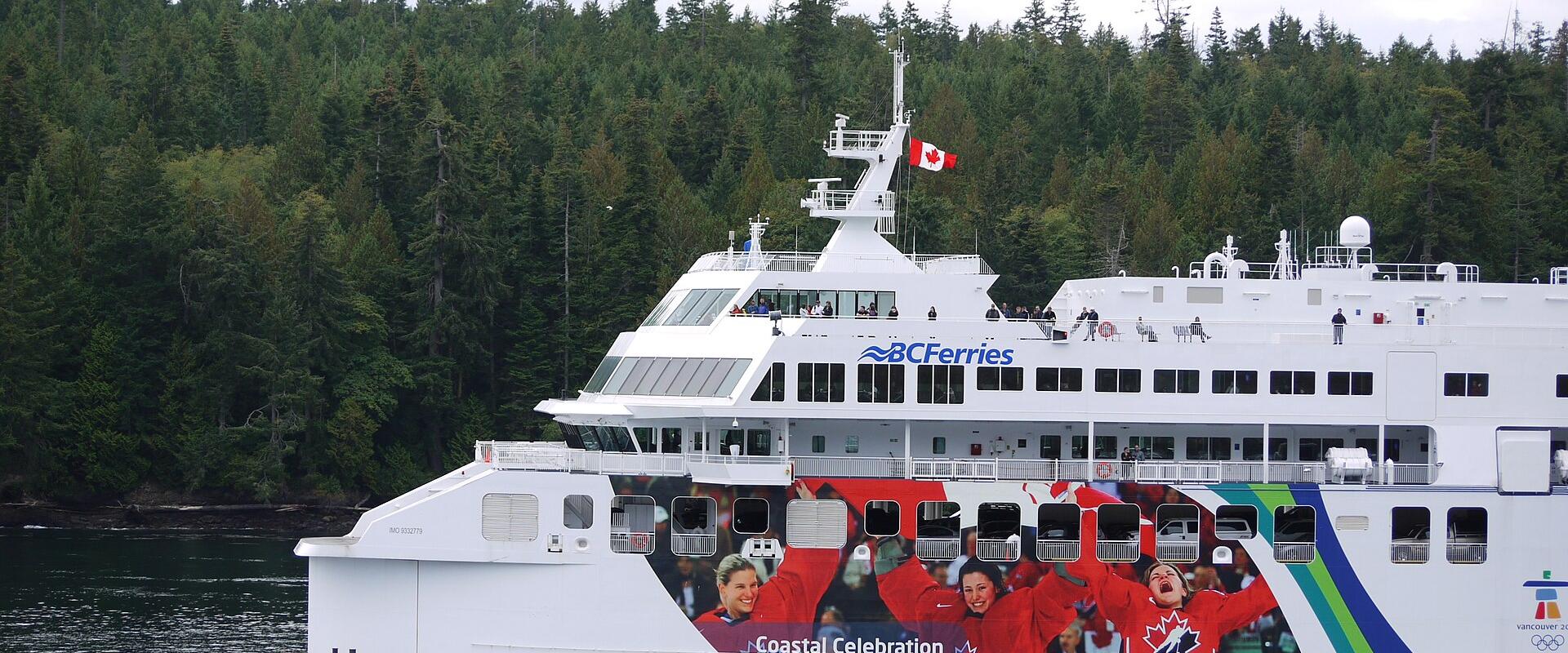
In Canada, ferries are essential infrastructure, not merely tourist attractions. The vast, diverse coastline necessitates specific navigational approaches for each region. Transport Canada regulates these operations strictly. All passenger vessels, including ferries, must adhere to the Canada Shipping Act, 2001. Operators must pass rigorous safety inspections. Larger vessels undergo annual checks by authorities. Passengers share responsibility for safety. You must listen to mandatory safety briefings. Identify exit routes and life jacket locations immediately. Ensure life jackets fit all passengers, including children. Transport Canada enforces strict rules on board. For example, BC Ferries prohibits alcohol consumption. Intoxicated individuals are denied boarding. These regulations ensure safety across all coastal routes. Planning requires understanding these logistical constraints. Always check specific operator policies before travel. This approach ensures a safe and successful journey along the Canadian coast.
Major Operators and Route Networks
BC Ferries operates the primary network in British Columbia. This provider serves numerous coastal routes across the province. The service connects mainland communities to islands. Marine Atlantic provides the critical link between provinces. This service connects Nova Scotia to Newfoundland. It is a vital transport link for the region. Regional operators serve local routes within specific provinces. For example, Nova Scotia Ferry serves local routes. These operators manage smaller, local transit needs. Understanding the specific operator is crucial for travelers. Each operator has unique booking and schedule information. Travelers must check specific details for their route. Accurate information ensures a smooth travel experience. The diversity of operators reflects Canada's geography. Each operator manages its own specific routes. This structure supports the diverse coastal needs of the country. Travelers should verify details before booking any trip.
Safety Protocols and Passenger Responsibilities
Safety is a shared responsibility between operators and passengers. Transport Canada regulates all passenger vessels, including ferries. Operators must conduct annual inspections for larger vessels. Passengers must listen to the mandatory safety briefing provided by the operator. This briefing is essential for understanding emergency procedures. You must identify the location of safety equipment, such as life jackets. Ensure that life jackets are correctly sized for all passengers, including children. BC Ferries enforces a strict zero-tolerance policy regarding drugs and alcohol. Consuming personal alcohol or drugs on board is prohibited. Intoxicated individuals may be denied boarding. Always follow the instructions of the crew. Crew members are trained to handle emergencies. Their guidance is essential for a safe journey. Adhering to these protocols ensures the safety of all passengers. Compliance is mandatory for a safe travel experience on Canadian coastal routes.
Booking Strategies and Seasonal Considerations
Advance booking is essential for Canadian ferries. Peak summer season requires early reservation. Online systems are available for major operators. BC Ferries offers online booking for coastal routes. Schedules vary by season. Off-season travel may have reduced frequency. Check operator websites for current information. Transport Canada regulates these passenger vessels. Safety protocols remain strict during travel. Always verify specific route details before departure. This ensures a smooth and safe journey across Canadian waters. Plan ahead to secure necessary passage.
Practical Tips for a Smooth Journey
Arrive at the terminal early. Canadian ferries enforce strict boarding deadlines. Arrive at least 30 minutes before departure. This allows time for vehicle check-in. Security screening is mandatory for all passengers. Listen carefully to the mandatory safety briefing. Identify the location of life jackets immediately. Operators enforce a zero-tolerance policy on alcohol. Do not consume personal alcohol on board. This is a strict safety regulation. Weather in coastal regions changes rapidly. Sea conditions can cause significant delays. Be prepared for potential schedule disruptions. Flexibility is essential for a smooth trip. Tides and weather dictate travel feasibility. Patience is required during peak seasons. Book vehicle spaces well in advance. Last-minute bookings are rarely available. Always verify specific operator rules. Regulations vary between BC Ferries and Marine Atlantic. Check specific restrictions on food and pets. These rules are strictly enforced. Plan for extra travel time. Delays are common in coastal areas. Always check for service notices. Transport Canada regulations apply to all vessels. Adhere to all safety protocols. This ensures a safe journey for all passengers. Trust the operator’s safety guidelines. They are designed for passenger protection. Follow all instructions from crew members. This ensures a smooth and safe travel experience for everyone involved.