







Canada’s primary aviation gateways are Toronto (YYZ), Vancouver (YVR), and Montreal (YUL). These hubs manage high passenger volumes daily. Travelers must arrive early to clear security checks. The operational scale is significant, requiring precise timing. Domestic flights connect these major centers efficiently. However, terminal operations differ from international standards. Passengers should verify specific terminal locations before arrival. Canadian airports often require additional identification verification. This process can extend wait times during peak hours. It is crucial to check airline-specific requirements. Each carrier may have unique check-in deadlines. Always arrive at least two hours early. This buffer accounts for potential security delays. Canadian airports are generally well-organized but can be busy. Staying informed about current terminal layouts is essential. This ensures a smooth transition through security checkpoints. Proper planning prevents unnecessary stress during travel. Always verify gate information close to departure time.
The Major Carriers and Regional Affiliates
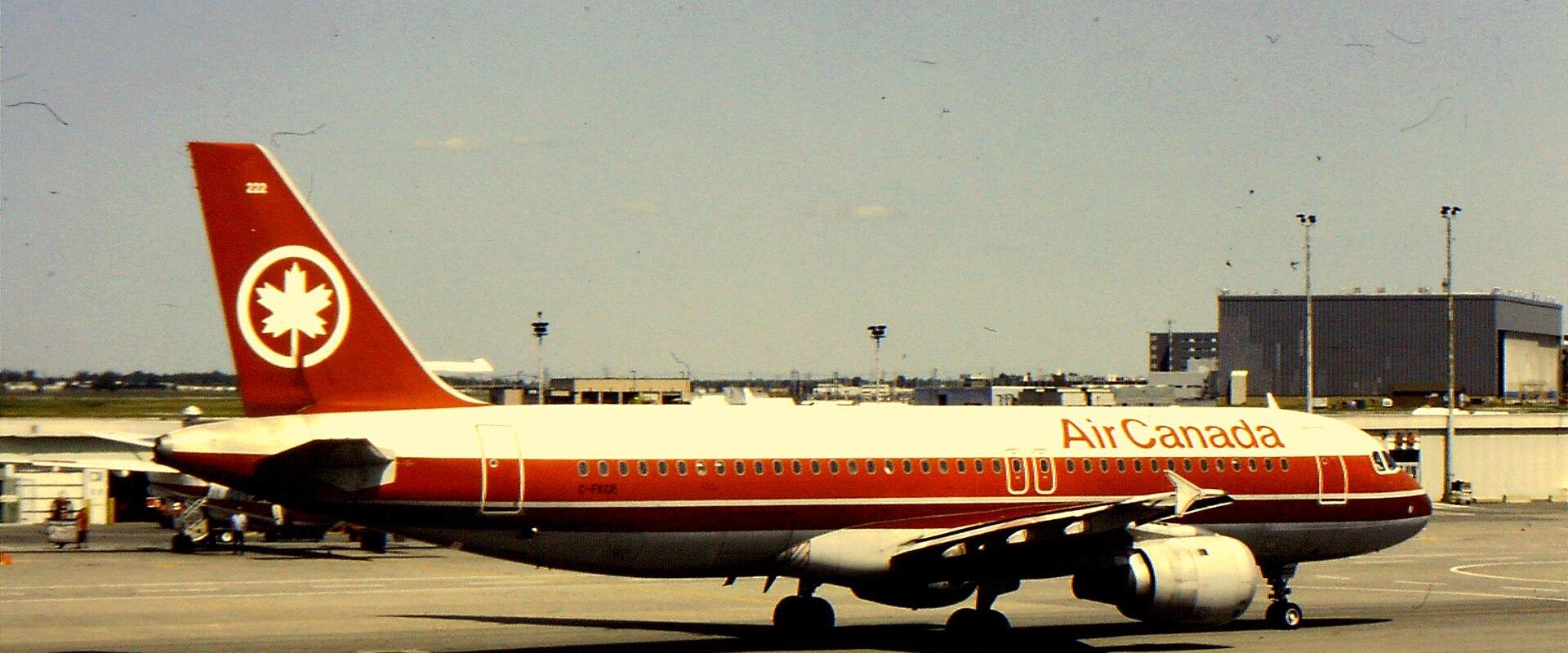
Air Canada and West Jet dominate Canadian domestic routes. These major carriers connect major urban centers efficiently. Regional affiliates operate smaller aircraft on these routes. This structure allows for service to remote communities. Passengers often transfer through major hubs like Toronto. The main carriers manage the primary flight schedules. Regional affiliates handle the smaller, regional connections. This operational split ensures coverage across vast distances. Travelers should note specific airline policies for baggage. Check-in procedures vary significantly between different carriers. Understanding these differences is crucial for a smooth trip. Always verify specific requirements before arriving at the airport. This approach helps avoid unexpected delays or fees. The structure supports efficient travel across the country.
Flying to remote Canadian regions requires specialized aircraft. De Havilland Dash 8 turboprops are standard for these routes. These planes handle rough terrain and short, unpaved runways effectively. Weather impacts schedules significantly in the North. Icing conditions and high winds often cause delays. Travelers must plan for potential schedule disruptions. Baggage restrictions are strict on these smaller aircraft. Weight limits are lower than on major jets. Passengers must check specific airline policies before packing. Excess baggage fees can be high for oversized items. Flexibility is essential for northern travel. You must be prepared for sudden schedule changes. Always verify gate information close to departure. Remote travel requires extra patience and preparation. Always confirm your specific flight details in advance.
Booking Strategies and Fare Types
Canadian airlines offer three main fare classes. Basic fares are the lowest cost option. These tickets are non-refundable and non-changeable. Basic economy does not include a free checked bag. Standard fares cost more but offer greater flexibility. Passengers can usually change flights for a fee. Flex fares are the most expensive tier. These tickets allow free changes and cancellations. Choose basic fares for simple, one-way trips. Select flex fares for complex, multi-stop itineraries. Booking in advance is crucial for lower rates. Prices typically rise as the departure date approaches. Always compare specific fare types before purchasing. This ensures the best value for your budget.
Canadian security screening follows strict federal guidelines. Passengers must present valid government-issued identification. Acceptable IDs include a passport, driver’s license, or NEXUS card. Liquids must be in containers of 100 milliliters or less. All liquids must fit inside a single, clear, resealable plastic bag. Prohibited items, such as sharp objects, are strictly forbidden in carry-on luggage. Passengers must pack these items in checked baggage. Airline-specific policies vary significantly regarding weight limits. Basic economy fares often exclude free checked bags. Travelers must verify specific baggage allowances before departure. Security screening times vary by airport and time of day. Arriving early is essential to avoid missing flights. Regulations change frequently, so checking for updates is crucial. Always verify current rules directly with the airline. This ensures a smooth and compliant travel experience through Canadian airports.