







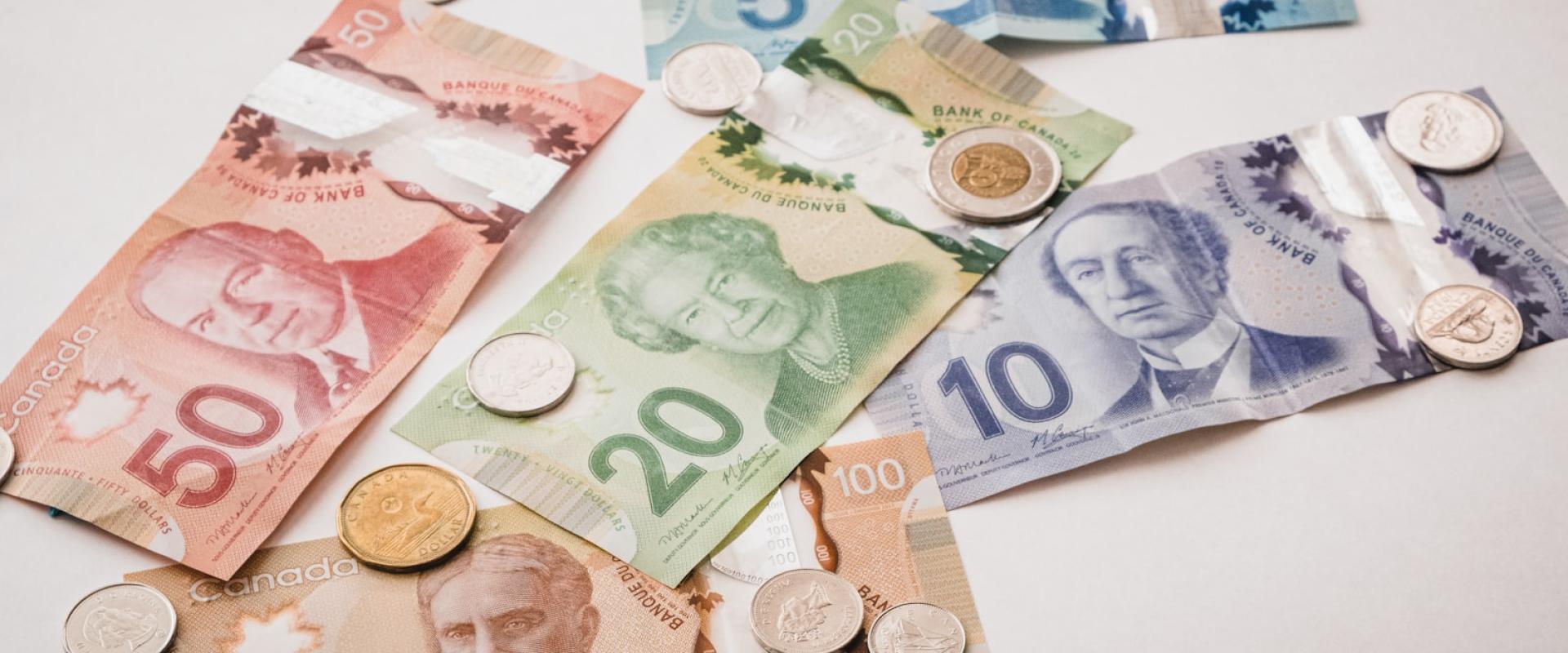
The Canadian Dollar Basics
The official currency is the Canadian Dollar (CAD). Banknotes are durable polymer, not paper. This material ensures longevity and security features. Cash remains essential for small vendors. You will also need it for transit fares. Many smaller establishments do not accept cards. Exchange rates fluctuate daily in global markets. The CAD is often weaker than the USD. You should check current rates before traveling. Use local currency for tipping to simplify calculations. The standard tip for restaurant servers is 15% to 20%. Bartenders typically receive a one-dollar tip per drink. Bar staff usually accept coins in a jar. Cab drivers expect a variable tip based on service. Some restaurants add automatic gratuity to large bills. Always check the bill for included service fees. Canadian businesses may have specific tipping policies. It is best to carry small bills. This facilitates easy payment for small transactions. You can exchange currency at banks or airports. Exchange rates vary, so check current values. Always carry some cash for tips. This ensures you can pay for small services. Cash is still needed for many vendors. Always check the bill for included fees. Canadian businesses may have specific tipping policies. It is best to carry small bills. This facilitates easy payment for small transactions. You can exchange currency at banks or airports. Exchange rates vary, so check current values. Always carry some cash for tips. This ensures you can pay for small services.
Card Acceptance and Digital Trends
Visitors will find contactless payments standard across Canada. Tap-to-pay technology is the dominant method for transactions. Visa and Mastercard are widely accepted in urban centers. Interac is the primary domestic debit network. Mobile wallets are fully supported by most merchants. Small businesses may impose minimum purchase limits. These limits often apply to credit card transactions. Always check for minimums before purchasing. Bank notifications are essential for international travelers. Inform your bank of travel plans to Canada. This prevents automatic blocks on your debit or credit cards. Cash is less common for daily transactions. However, small vendors may still prefer cash. Always carry some Canadian dollars for tips. Tipping is customary in the service industry. Standard tips range from fifteen to twenty percent. Adjust amounts based on service quality. Local currency facilitates easier calculations for gratuities. Always carry local currency for small expenses. This ensures smooth transactions throughout your stay.
Tipping is customary in Canada to show appreciation for service. Standard restaurant tips range from 15% to 20% of the bill. Always calculate this percentage based on the pre-tax amount. This ensures you tip accurately on the service value. Bartenders typically receive $1 to $2 per drink served. Baristas and liquor store staff often accept loose coins. Place these coins in a designated jar for staff. Cab drivers have variable tipping expectations depending on service. Some restaurants add auto-gratuity for large group bills. Always check your receipt for included service charges. This prevents accidental double-tipping on large parties. Use Canadian dollars for tips to facilitate easy calculations. Local currency helps staff manage their gratuities efficiently. Adjust amounts based on service quality and menu prices. There is no mandatory national policy for tipping. Flexibility allows you to reward excellent service appropriately. Some establishments leave the decision entirely to the customer. Others may have specific policies regarding service fees. Understanding these nuances ensures respectful and accurate tipping.
Specific Service Industry Guidelines
Tipping extends beyond restaurants in Canada. Taxi drivers expect a 10% to 15% tip. Rideshare passengers should round up the fare. This gesture acknowledges safe transport services. Hotel bellhops receive $1 to $2 per bag. This fee covers the physical handling of luggage. Housekeeping staff appreciate $2 to $5 per night. Leave this amount daily for consistent service. Spa and salon services warrant 15% to 20%. This standard matches professional beauty industry norms. Fast food counters require no tip. Liquor store staff do not expect gratuities. Coins in a jar suffice for baristas. These establishments operate on thin margins. Cash remains useful for small tips. Use Canadian dollars for all gratuities. This avoids confusion at point of sale. Digital payments often include tip prompts. You can adjust amounts based on service. Always verify if a service charge exists. Auto-gratuity policies apply to large groups. Check your bill before adding extra. Clear communication prevents awkward transactions. Understanding these norms ensures smooth interactions. You show respect by following local customs. This knowledge simplifies your travel experience.
Smart Budgeting and Exchange Tips
Avoid exchanging money at airports or hotels. These locations offer poor exchange rates. You lose significant value on every transaction. Instead, use bank ATMs in Canada. Always select to pay in local currency. This avoids dynamic currency conversion fees. Your bank provides the best rate. Sales tax is not included in shelf prices. Tags show pre-tax amounts only. You must add tax at checkout. Rates vary by province. Budget an extra 13% to 15% for taxes. This ensures you have sufficient funds. Tipping is calculated on the pre-tax bill. Do not include tax in your tip. This practice is standard across Canada. Use Canadian dollars for tips. It simplifies calculations for staff. Coins are common for small tips. Keep small bills for convenience. Digital payments are widely accepted. However, cash remains essential for tips. Plan your budget accordingly. Factor in both tax and gratuity. This approach prevents unexpected expenses. You will manage your finances effectively. Avoid last-minute exchanges at tourist spots. Prepare your budget before arrival. This strategy saves money and time.