







Assessing Self-Drive Viability
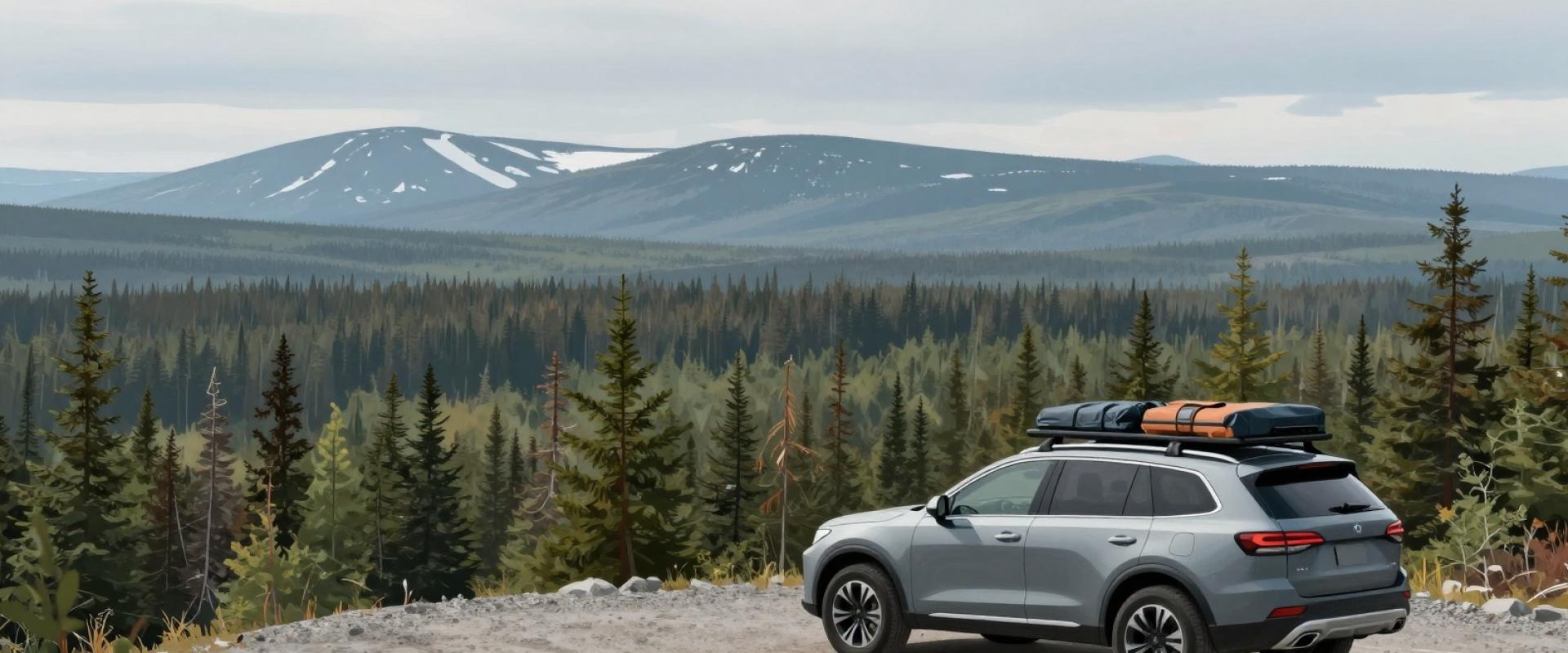
Self-driving is essential for rural and remote areas in Canada. Public transit is sufficient for major urban centers like Toronto or Vancouver. Renting a car is often unnecessary if your itinerary stays within city limits. Parking in these cities is difficult and costly. Conversely, exploring national parks or the Sea-to-Sky Highway requires a vehicle. Public transit is unavailable in these remote regions. You must assess your itinerary density before booking a vehicle. If 90% of your trip involves city centers, skip the rental. Map distances in Canada are misleading. Actual driving times are significantly longer than they appear. Plan for extended travel durations between points. Weather drastically affects road conditions. Snow and ice transform smooth summer roads into hazardous terrain. This is particularly true during winter months. Account for these variables when planning your route. Successful road trips require careful pacing. Plan stopover cities to manage long driving distances. Understanding rental terms is more valuable than focusing on daily rates. Prioritize practical details over marketing language. Ensure your vehicle choice matches your specific Canadian route needs.
Legal Requirements and Permits
Drivers must carry a valid license and insurance. International visitors need an International Driving Permit. This document supports your home license. It is not a standalone permit. Canadian provinces enforce strict traffic laws. You must carry your license at all times. Rental agencies require a valid credit card. Most companies require drivers to be at least 21 years old. Drivers under 25 often face additional surcharges. These fees vary by rental company and province. You must carry proof of insurance in the vehicle. Canadian law requires minimum liability coverage. Provinces have different minimum coverage limits. You must also carry your vehicle registration. This document proves the vehicle is legally registered. Failure to carry these documents can result in fines. Police officers may stop you for routine checks. Always keep your license and insurance accessible. Some provinces require winter tires from October to April. This rule applies to specific highways and regions. Check local regulations before traveling in winter. Rental agencies often provide winter tires automatically. Confirm tire requirements when booking your vehicle. Understanding these rules ensures a legal road trip. Ignorance of local laws is not a valid defense. Always review the rental agreement carefully. Pay attention to age restrictions and fees. Ensure your insurance meets provincial minimums. This protects you in case of accidents. Drive safely and respect local traffic laws.
Rental Logistics and Insurance
Verify your credit card’s rental coverage before declining the rental company’s insurance options. Many cards offer primary coverage, but you must pay with that specific card. Airport rental locations often charge higher fees than downtown branches. However, they provide better vehicle availability for immediate pickup. One-way rentals across Canadian provinces incur significant drop-off fees. These costs vary by distance and company policy. Always document the vehicle’s condition thoroughly at pickup. Take timestamped photos of all exterior panels and the interior. Check the fuel gauge and tire tread carefully. This documentation prevents unfair damage disputes upon return. Canadian roads change drastically with the seasons. Winter tires are mandatory in many provinces from December to March. Ensure your rental includes appropriate tires for the season. Road conditions can change rapidly in remote areas. The Canadian Shield region presents unique driving challenges. Plan for longer travel times between major cities. Distances are vast, and services are sparse in rural areas. Always carry a physical map as a backup. Check local road conditions before starting each day. Winter driving requires extra caution and preparation. Ensure your vehicle has adequate snow tires. Check the weather forecast for your entire route. Plan for potential delays due to weather conditions. Always carry a physical map as a backup. Check local road conditions before starting each day. Winter driving requires extra caution and preparation. Ensure your vehicle has adequate snow tires. Check the weather forecast for your entire route. Plan for potential delays due to weather conditions.
Seasonal Driving and Winter Safety
Winter tires are legally required in several provinces during winter months. Quebec mandates their use from December 1 to March 15. British Columbia requires them on specific highways between October 1 and April 30. Other provinces strongly recommend them for safety. You must carry a winter emergency kit in your vehicle. This kit should include non-perishable food and water. Add a shovel to clear snow from tires. Include blankets and a first-aid kit for emergencies. Be prepared for wildlife crossings on rural roads. Moose and deer are common hazards in Canada. Sudden weather changes can occur without warning. Check forecasts before departing on any road trip. Offline maps are crucial in areas with poor cell service. Remote routes like the Sea-to-Sky Highway lack signal. Download maps before leaving urban centers. Road conditions change rapidly in winter. Ice and snow can make roads hazardous quickly. Plan extra time for travel in these conditions. Check local road reports before starting your drive. Winter driving requires extra caution and preparation. Ensure your vehicle is equipped for cold weather. Check tire pressure and fluid levels regularly. Keep your fuel tank at least half full. This prevents freezing issues in extreme cold. Carry chains if traveling through mountainous regions. Some rental companies provide them upon request. Always verify rental agreement terms regarding winter gear. Safety depends on proper preparation and awareness. Stay informed about current road conditions. Adapt your driving style to the environment. Prioritize safety over speed during winter months.
Cost Management and Budgeting
Fuel costs in Canada exceed many neighboring regions. Prices vary significantly by province and region. Drivers should budget carefully for these higher rates. Parking fees in major urban centers are substantial. Cities like Toronto and Vancouver charge premium rates. This makes public transit a viable alternative in cities. Renting a car is unnecessary if staying in urban centers. Self-driving is ideal for remote areas like the Rockies. You must account for distance and time differences. Road conditions change with the seasons. Winter driving requires specific preparation and caution. Cross-border travel requires specific insurance documentation. You must verify coverage before crossing borders. Book rental vehicles early to secure better rates. Use loyalty programs to reduce overall costs. These strategies help manage expenses effectively. Always check specific rental terms before booking. Understand all fees associated with the rental. This includes insurance, taxes, and additional drivers. Plan your route to minimize extra charges. Consider the total cost, not just the daily rate. This approach ensures a more affordable trip. Always review the fine print in rental agreements. This prevents unexpected charges upon return. Careful planning is essential for budget management. It ensures a smooth and affordable experience. Always verify insurance coverage before declining options. This protects you from unexpected financial liabilities. Always check local regulations before driving. This ensures compliance with local laws. Always plan for extra time in your schedule. This accounts for potential delays and detours. Always research parking options in advance. This helps avoid unexpected fees and stress. Always compare rental prices across different providers. This ensures you get the best deal. Always read the rental agreement carefully. This prevents misunderstandings and hidden costs. Always keep your documentation readily accessible. This speeds up the rental process. Always inspect the vehicle before driving off. This documents any pre-existing damage. Always return the vehicle with a full tank. This avoids expensive refueling charges. Always check for toll roads in your route. This helps you budget for additional fees. Always plan for weather-related delays. This ensures a safer and more relaxed trip. Always prioritize safety over speed. This protects you and your vehicle. Always respect local driving laws. This avoids fines and legal issues. Always be prepared for remote areas. This ensures you have necessary supplies. Always keep emergency contacts handy. This provides peace of mind. Always inform someone of your itinerary. This ensures help is available if needed. Always carry a physical map as backup. This helps if digital services fail. Always check road conditions before departing. This helps you avoid hazardous routes. Always drive defensively in all conditions. This reduces the risk of accidents. Always stay hydrated and rested. This maintains alertness and focus. Always take regular breaks on long drives. This prevents fatigue and improves safety. Always enjoy the journey and the scenery. This makes the trip memorable and rewarding.