




Canadian camping involves distinct administrative layers. Federal sites, managed by Parks Canada, require advance planning. These national parks operate on strict rolling release schedules. You must book early to secure a spot. Provincial parks offer a different reservation structure. They are managed by individual provinces. Each province sets its own booking rules. Private campgrounds operate independently of government systems. They often use third-party booking platforms. This creates a fragmented booking landscape. You must check specific platforms for each site. Federal sites require direct booking through official channels. Private sites may use various reservation systems. Always verify the specific booking platform for your chosen site. Advance planning is essential for federal sites. Provincial parks may have more flexible availability. Private campgrounds often offer last-minute availability. Understanding these differences is crucial for planning. You must identify the managing authority for each site. This determines how and when you can book. Always check the specific requirements for each location. Do not assume all sites operate similarly. Research is essential before booking any campsite.
Site Types and Amenities
Canadian sites range from developed to remote. Provincial parks offer full hookups. These sites include water, sewer, and electrical connections. They suit larger RVs and families. Federal sites in national parks vary. Some provide full utilities. Others offer only basic pads. Backcountry sites lack infrastructure entirely. Campers must bring all supplies. Water and waste disposal are self-managed. This requires more preparation. Developed sites provide concrete pads. They include electrical hookups for convenience. Semi-developed sites may lack electricity. They often provide only water access. Location determines available amenities. Remote areas offer minimal services. Proximity to roads affects accessibility. Higher density areas offer more amenities. Rural areas may lack utilities. Campers must verify specific site features. Always check current park regulations. Infrastructure standards vary by province. Federal sites maintain consistent standards. Provincial parks vary in quality. Private campgrounds offer varied amenities. Always verify specific site details. Canadian regulations ensure safety standards. Always check local bylaws. Regulations change frequently. Verify current rules before arrival. Canadian standards prioritize safety. Always verify specific site details. Canadian regulations ensure safety standards. Always check local bylaws. Regulations change frequently. Verify current rules before arrival.
Seasonal Accessibility and Weather
Canadian camping seasons are short. Most parks open in late May. They close by mid-October. This window varies by region. Northern areas close earlier. Southern regions stay open longer. Weather changes rapidly in Canada. Summer storms can bring hail. Winter snows can arrive early. You must check local forecasts. Prepare for cold nights. Temperatures drop quickly after sunset. Rain gear is essential. Snow is possible in July. High-elevation sites face early snow. Always check park alerts. Weather conditions dictate accessibility. Some roads close in fall. Others open in June. Plan for variable conditions. Bring layers for all seasons. Prepare for rain and cold. This ensures a safe trip. Canadian weather is unpredictable. Flexibility is key to success. Always check local forecasts.
Regulations and Safety Protocols
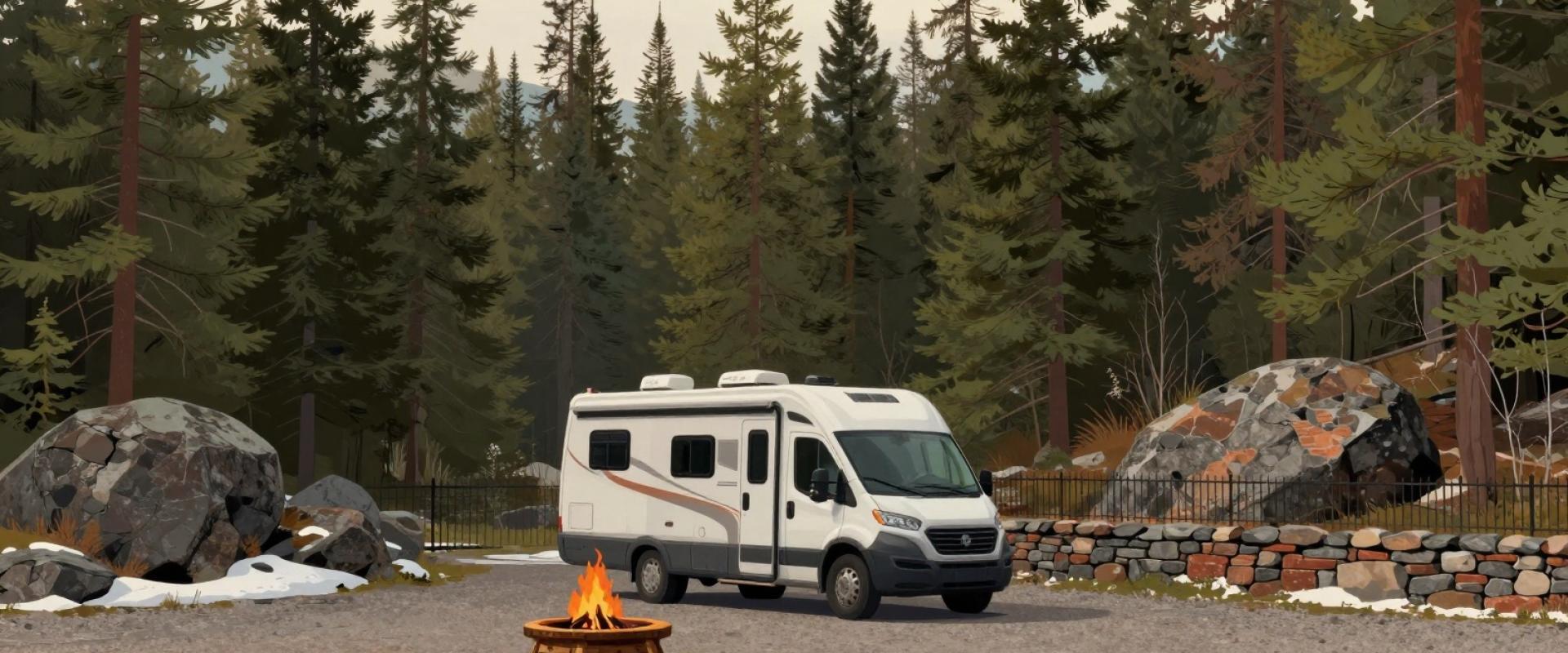
Canadian regulations enforce strict waste disposal protocols. Campers must pack out all non-biodegradable trash. Local bylaws often prohibit open burning. Check specific municipal bylaws before lighting fires. Wildlife protection is a critical safety priority. Store all food in bear-proof containers. This applies to tents and RVs alike. Keep campsites clean to avoid attracting animals. Adhere strictly to local fire ban levels. Ignite campfires only where explicitly permitted. Use established fire rings in designated areas. Never leave a fire unattended. Extinguish all embers completely before sleeping or leaving. Follow Leave No Trace principles strictly. Protect local ecosystems by staying on trails. Do not disturb wildlife or remove natural objects. Report any environmental damage to park rangers immediately. Compliance ensures safety for all visitors and protects fragile Canadian habitats. Always check current local regulations before arrival. Rules vary significantly by province and park. Adhere strictly to posted signage and guidelines. Respect quiet hours to maintain peace. These protocols ensure a safe and respectful experience for all campers across Canada.
Practical Planning and Preparation
Advance booking is critical for Canadian camping. Popular provincial parks fill months ahead. Reserve sites via official provincial portals. Federal sites require booking through Parks Canada. These platforms release slots on specific dates. Plan your itinerary well before travel season. Weather in Canada shifts rapidly. Pack layers for sudden temperature drops. Rain gear is essential year-round. Prepare for cold nights even in summer. Check local regulations before arrival. Many areas prohibit open fires. Use designated fire rings only. Dispose of waste in provided bins. Pack out all non-biodegradable trash. Follow Leave No Trace principles strictly. Carry bear spray in wilderness areas. Store food in bear-proof containers. Verify park hours and entry fees. Fees vary by province and site type. Carry cash for remote locations. Cell service is unreliable in many regions. Download offline maps before departure. Inform others of your travel route. Ensure your vehicle is road-ready. Check tire pressure and fluid levels. Carry emergency supplies and first aid kits. Respect quiet hours to maintain peace. These steps ensure a safe trip.