

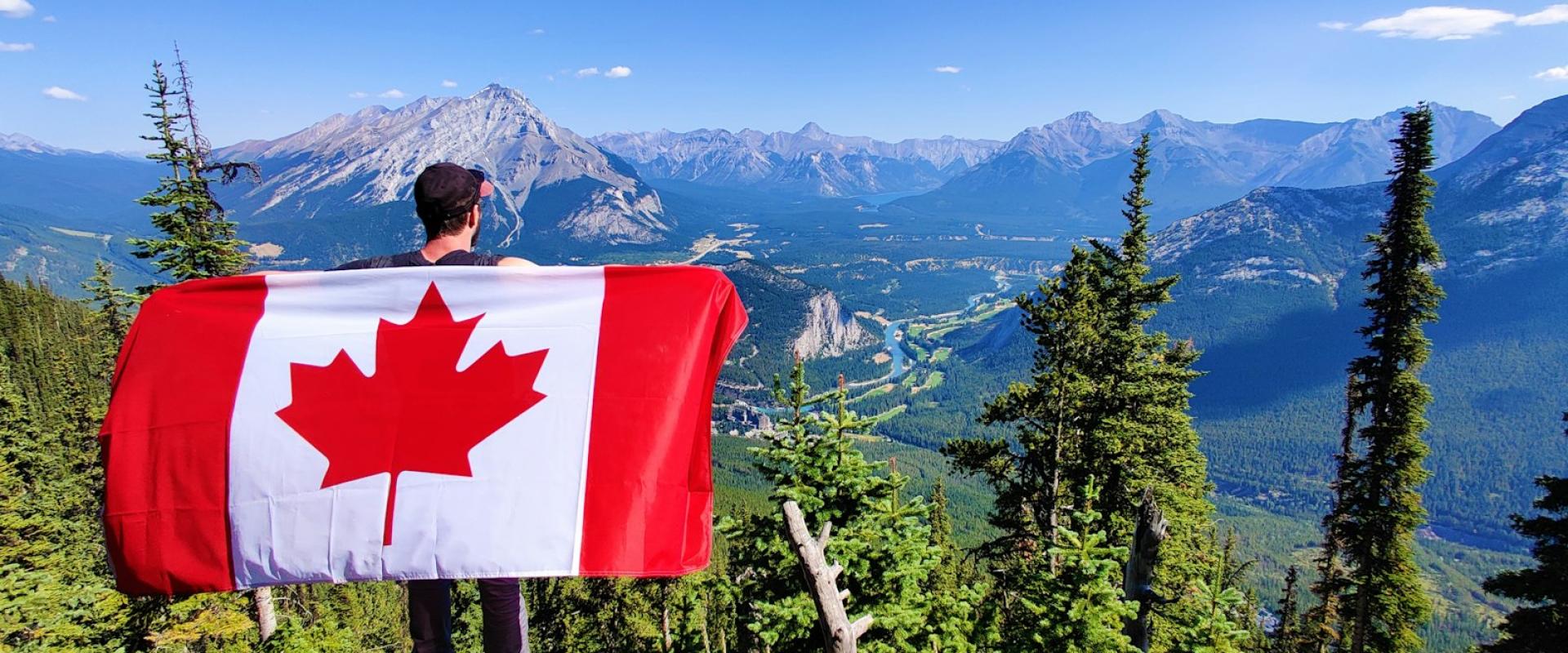
The Great Divide: North, South, and Coastal Realities
Canada spans six time zones. This creates distinct seasonal realities. Winter in the North lasts longer. Temperatures drop below freezing for months. The North is largely inaccessible in winter. Southern regions offer more stable weather. Spring arrives late in the north. It arrives early in coastal British Columbia. Summer heat is concentrated in the Prairies. Summer is mild in coastal regions. Fall foliage peaks at different times. Northern areas turn gold in September. Southern regions hold color into October. Winter snow depth varies by region. The Rockies receive heavy snowfall. The Prairies face extreme cold. The Atlantic coast remains milder. Coastal regions see more rain. Inland areas experience greater temperature swings. Planning requires regional specificity. A single season does not fit all. Travelers must check local forecasts. Weather patterns differ significantly by province. Northern travel requires specific gear. Southern travel allows for lighter clothing. Always verify local conditions before travel. Seasonal changes affect travel accessibility. Winter roads may close in remote areas. Summer is the peak travel season. Crowds are highest in July and August. Prices rise during peak summer months. Spring offers fewer crowds but more rain. Fall provides clear skies and cooler air. Each region has a unique optimal window. Plan based on specific regional data. Do not assume uniform weather across the country. Always check local forecasts for accurate planning.
Winter’s Chill: Ice, Ice, and Practical Warmth
Winter in Canada offers distinct seasonal realities. Temperatures drop significantly across the country. This period is ideal for skiing and snow activities. Ice festivals provide unique cultural experiences in major cities. However, preparation for extreme cold is essential for safety. Winter daylight hours are short, limiting outdoor time. Plan activities carefully around limited daylight hours. Road conditions can be hazardous due to ice. Snow removal is a priority in urban areas. Drivers must exercise caution on icy roads. Proper vehicle preparation is necessary for safe travel. Winter tires are often required by law in provinces. Check local weather forecasts before traveling. Prepare warm clothing for extended outdoor exposure. Layering is key to maintaining body heat. Be aware of black ice on bridges and bridges. These surfaces freeze faster than surrounding roads. Always check road conditions before starting a trip. Winter travel requires extra time and planning. Safety is the primary concern for all travelers. Respect local regulations regarding winter driving standards. Always carry emergency supplies in your vehicle. Be prepared for sudden weather changes. Winter in Canada is beautiful but demanding. Proper preparation ensures a safe and enjoyable experience. Always prioritize safety over convenience during winter travel.
Spring Thaw: Mud, Mud, and More Mud
Spring in Canada brings the thaw. Snow melts into slush. Roads become muddy and uneven. Hiking trails turn to mud. This is the mud season. Travelers need sturdy boots. Rubber boots are ideal. Potholes appear on roads. Driving requires caution. Ice patches may linger. Spring weather is unpredictable. Rain is common. Snow can return. Flexibility is essential. Plan for delays. Late spring offers blooms. Wildflowers begin to open. Crowds remain small. This is a quiet time. It is not the peak season. Visitors should expect mud. Prepare for wet conditions. Flexible itineraries are best. Weather changes rapidly. Check local forecasts daily. Spring is a transition. It is not the best time for all activities. Be prepared for mud.
Summer’s Peak: Long Days and Vibrant Festivals
Summer is the peak season in Canada. Days are long and sunny. This period is ideal for outdoor activities. Travelers explore national parks and lakes. Festivals occur across the country. These events celebrate local culture and food. High demand requires advance planning. Book accommodations and activities early. Prices are higher during this peak time. Be prepared for variable weather. Rain is possible even in summer. Pack layers for changing conditions. Sturdy footwear is recommended for trails. The weather can shift quickly. Check local forecasts before hiking. This preparation ensures a safe trip. The long daylight hours allow for extended exploration. You can visit multiple sites in one day. This is the best time for photography. The light is bright and clear. Crowds are larger in popular areas. Patience is required at major attractions. Wait times may be longer. Despite the crowds, the experience is rewarding. The vibrant atmosphere is unique to summer. Local festivals offer a taste of Canadian culture. You can meet locals and other travelers. This is the best time to experience Canadian hospitality. The warm weather makes outdoor dining pleasant. Many restaurants offer outdoor seating. This is a popular time for tourists. Plan your itinerary well in advance. This will ensure a smooth trip. The summer season is the most popular time to visit Canada. It is the best time for outdoor activities. The weather is generally warm and pleasant. This is the best time to explore the country. The long days allow for more activities. The sunny weather is ideal for sightseeing. The warm temperatures are comfortable for walking. The clear skies are perfect for photography. The bright light is great for reading. The warm weather is nice for dining. The sunny weather is great for hiking. The clear skies are perfect for camping. The warm weather is nice for swimming. The sunny weather is great for beaching. The clear skies are perfect for stargazing. The warm weather is nice for picnicking. The sunny weather is great for hiking. The clear skies are perfect for camping. The warm weather is nice for swimming. The sunny weather is great for beaching. The clear skies are perfect for stargazing. The warm weather is nice for picnicking.
Autumn’s Palette: Foliage, Crowds, and Cool Air
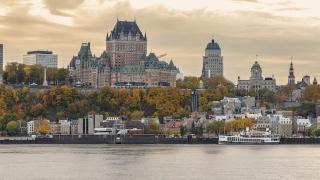
Autumn offers stunning foliage across eastern Canada. September and October are the peak months. Colors range from gold to deep red. Crowds gather to view the change. Plan ahead for this popular season. Book accommodations well in advance. Hotels fill quickly during peak weeks. Expect higher prices for lodging. Prepare for cooler evening temperatures. Daytime may remain warm, but nights drop. Pack layers for variable weather. Bring a warm jacket for evenings. The cool air enhances the visual experience. Clear skies often follow crisp mornings. This is the ideal time for photography. Hiking trails offer clear, crisp air. Crowds are dense in popular areas. Arrive early to secure parking. Book campsites or hotels early. Avoid last-minute planning for this season. The beauty is worth the advance planning. Ensure all reservations are confirmed. Check weather forecasts before traveling. Prepare for cold nights in the tent. Warm clothing is essential for comfort. The experience is rewarding for prepared travelers.