
History
The history of Winnipeg is deeply rooted in the strategic importance of its location at the junction of the Assiniboine and Red rivers. For centuries, this site, known as K'je-wa-ya-ko-pan in Cree, served as a vital meeting place for Indigenous peoples, including the Anishinaabe, Cree, and Métis. The arrival of European fur traders in the 18th century, particularly the North West Company, transformed the area into a major hub for the fur trade. The establishment of the Red River Settlement in 1812 by Lord Selkirk marked the beginning of permanent European settlement, though it was marked by conflict, most notably the Red River Rebellion of 1869-70. This pivotal event led to the creation of the province of Manitoba and the inclusion of Louis Riel, a Métis leader, into Canadian history. Today, the city honors this complex heritage, blending Indigenous, French, and British influences in its cultural identity.
Main Attractions
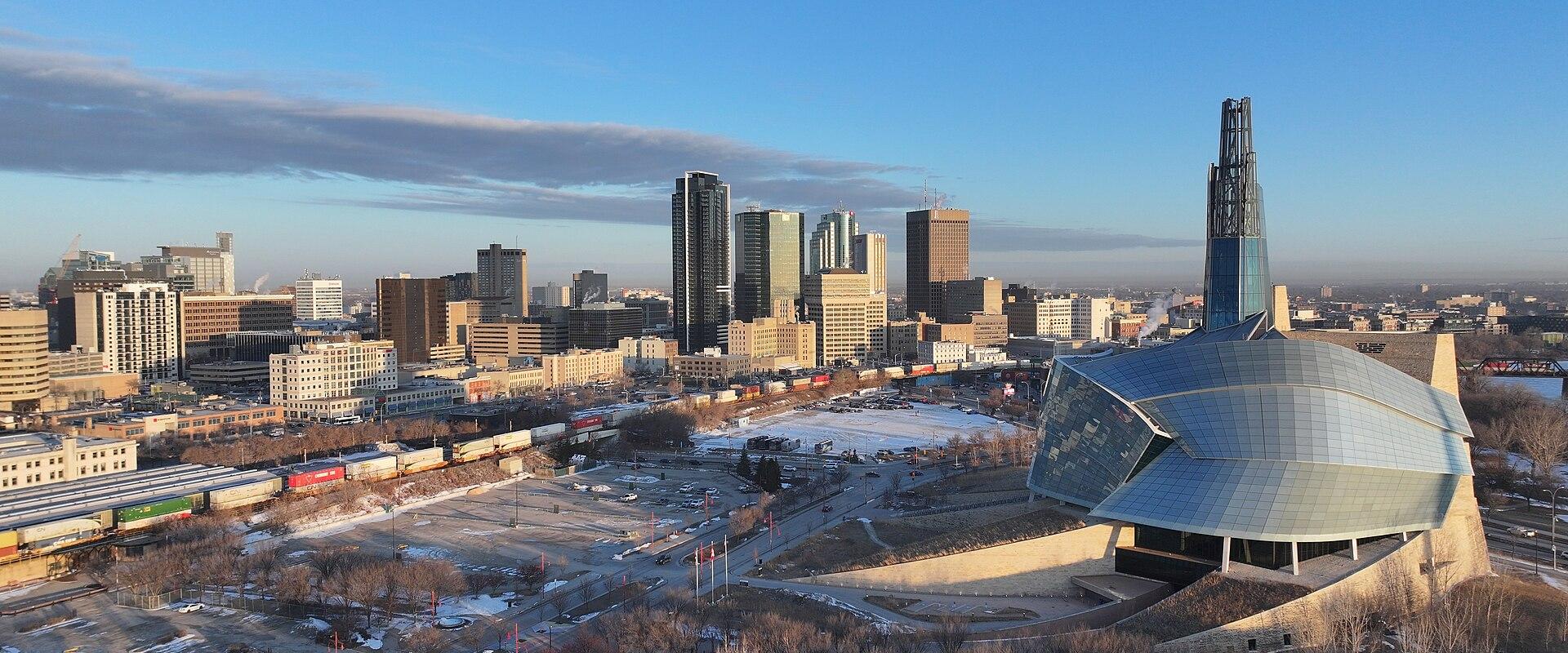
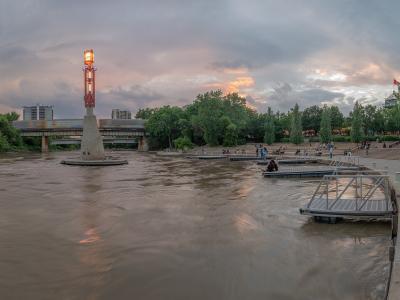
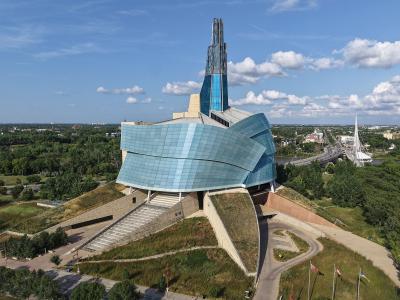
The primary attraction in Winnipeg is the Forks, a historic meeting place where the Assiniboine and Red rivers converge. This vibrant public space serves as a cultural hub, hosting festivals, markets, and events throughout the year. The Forks Market offers a diverse array of local goods, from fresh produce to handcrafted items. Adjacent to the Forks is the Canadian Museum of Human Rights, a striking architectural landmark that explores the history of human rights and the fight against injustice. The museum’s unique design, with its spiral staircase leading to a glass dome, offers a profound and immersive experience. Another key attraction is the Assiniboine Park, home to the Assiniboine Park Zoo, which features the popular "Journey to Churchill" exhibit, allowing visitors to view polar bears and other Arctic wildlife in a simulated natural habitat.
Activities
Visitors to Winnipeg can engage in a variety of activities that highlight the city’s cultural and natural diversity. The Canadian Museum of Human Rights offers an educational and thought-provoking experience, exploring themes of human rights, discrimination, and resilience. The Assiniboine Park Zoo provides a family-friendly experience, with opportunities to see a wide variety of animals, including the unique polar bear exhibit. For those interested in art, the Winnipeg Art Gallery, designed by Antoine Predock, offers a stunning collection of Indigenous and international art. The city also hosts numerous festivals, such as the Winnipeg Folk Festival and the Festival du Nouveau Cinéma, offering a vibrant cultural experience.
Getting There
Winnipeg is accessible via James Armstrong Richardson International Airport (YWG), which is located approximately 15 minutes from downtown. The airport offers direct flights from major Canadian cities, including Toronto, Vancouver, and Montreal, as well as international connections. For those traveling by car, Winnipeg is accessible via Highway 1, which connects it to other major cities in the prairie provinces. Public transportation, provided by the Winnipeg Transit system, offers a reliable and affordable way to navigate the city, with bus routes covering most major areas.
Best Time to Visit
The best time to visit Winnipeg is during the summer months, from June to September, when the weather is warm and pleasant. The summer months offer ideal conditions for outdoor activities, such as visiting the parks, attending festivals, and exploring the city’s many attractions. The winter months, while cold, offer a unique charm with snow-covered landscapes and festive holiday events. However, for those who prefer milder weather, the summer months are the most comfortable and vibrant time to visit.
Best time to visit
July through August offers warm weather ideal for exploring the city.
What to see in Winnipeg
Our picks first.
Winnipeg by interest
The same sights, grouped by what you came for.
Did you know?
Checked facts about Winnipeg, each with its source.
-
Film & TV
Hollywood Blockbusters Filmed in Winnipeg
Major studio productions such as the 2006 Western 'The Assassination of Jesse James by the Coward Robert Ford' and the 2024 thriller 'Time Cut' were shot in Winnipeg. The city's Exchange District, a designated National Historic Site, serves as a popular backdrop for these and other television series.
Source: en.wikipedia.org -
History
The 1919 Winnipeg General Strike
The Winnipeg General Strike of 1919 was a pivotal labor action that initiated waves of sympathetic strikes across Canada. This event marked a significant step toward collective bargaining rights and union recognition, which were formally enacted approximately 30 years later.
Source: www.tourismwinnipeg.com
Planning a visit to Winnipeg
Itineraries that include Winnipeg
Good to know
- Currency
- CAD
- Language
- English