

History
Saskatoon’s history is rooted in the late 19th century, a period of rapid expansion and settlement in the Canadian prairies. The city was founded in 1883 by John S. Thompson, who established a town site on the banks of the South Saskatchewan River. The name "Saskatoon" is derived from the Cree word kisiskāciwān, meaning the river, which refers to the South Saskatchewan River that flows through the city. The early development of Saskatoon was driven by the arrival of the Canadian Pacific Railway, which transformed the area from a small trading post into a significant commercial hub. The city’s early identity was shaped by its role as a supply center for the surrounding agricultural communities. Over the decades, Saskatoon has evolved from a small prairie town into a vibrant urban center, while still maintaining a strong connection to its agricultural roots and the natural landscape of the prairies.
Main Attractions
The primary attraction in Saskatoon is the South Saskatchewan River, which serves as the city’s natural centerpiece. The river is flanked by the Meewasin Valley, a network of parks and trails that offer a peaceful retreat from the urban environment. The Meewasin Trail is a popular route for walking, cycling, and jogging, offering scenic views of the river and the surrounding landscape. The trail connects several key points in the city, including the Royal Saskatchewan Museum and the University of Saskatchewan. The area is also home to the Wanuskewin Heritage Park, a National Historic Site that preserves the history and culture of the Indigenous peoples of the region. The park offers a unique insight into the pre-contact history of the area, with artifacts and exhibits that tell the story of the land and its people.
Activities
Visitors to Saskatoon can engage in a variety of activities that highlight the city’s natural beauty and cultural diversity. The city is known for its vibrant arts scene, with numerous galleries and museums showcasing local and international art. The Royal Saskatchewan Museum offers a comprehensive look at the region’s natural history, including exhibits on geology, paleontology, and indigenous culture. For those interested in outdoor activities, the city offers a range of options, including hiking, cycling, and canoeing. The city’s many parks and green spaces provide opportunities for relaxation and recreation, with parks such as Riverside Park and Riverside Park South offering beautiful settings for picnics and leisurely strolls.
Getting There
Saskatoon is accessible via John G. Diefenbaker International Airport (YXE), which is located approximately 10 kilometers from the city center. The airport offers direct flights from major Canadian cities, including Toronto, Vancouver, and Calgary. For those traveling by car, Saskatoon is located on the Trans-Canada Highway, with easy access from other parts of the prairie provinces. Public transportation within the city is provided by the Saskatoon Transit system, which offers bus services connecting major areas of the city. The transit system is efficient and affordable, making it easy for visitors to navigate the city.
Best Time to Visit
The best time to visit Saskatoon is during the summer months, from June to September. During this time, the weather is warm and pleasant, with average temperatures ranging from 15°C to 25°C. This is the ideal time for outdoor activities, such as hiking, cycling, and visiting the city’s parks and museums. The summer months are also when the city’s festivals and events take place, adding to the vibrant atmosphere. While the summer is the most popular time to visit, the spring and fall months also offer pleasant weather, with fewer crowds, making them excellent alternatives for those who prefer a quieter experience.
Best time to visit
June through September offers warm weather ideal for exploring the city.
What to see in Saskatoon
Our picks first.
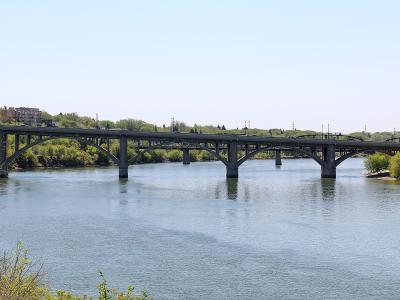
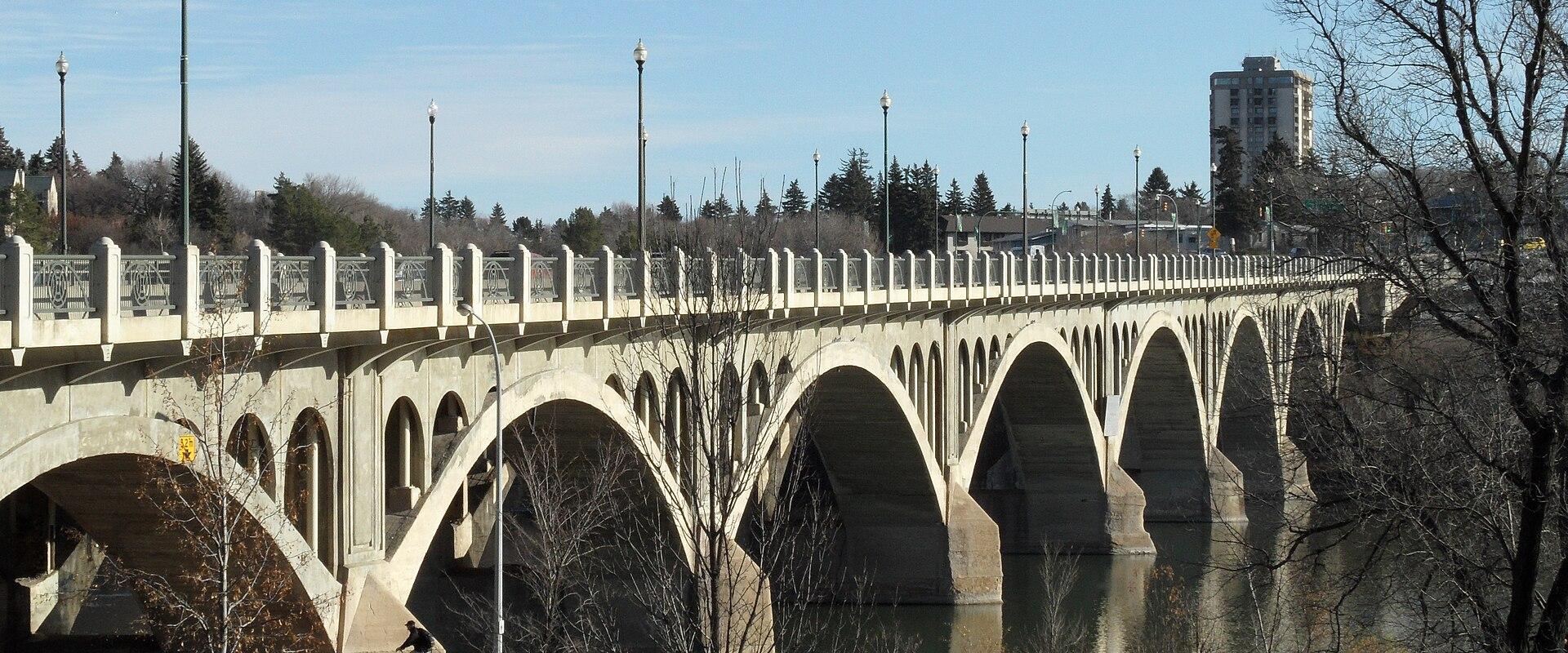
Saskatoon Bridge
Free Bridges · Museums

Nutana Squares
Historic residential neighborhood in Saskatoon, SK
Free Districts · Town Squares
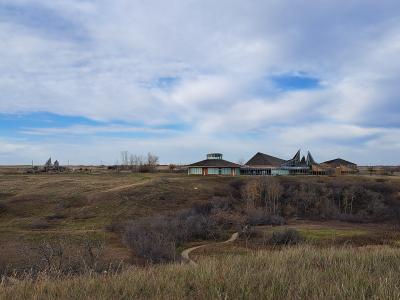
Wanuskewin Heritage Park
National Historic Site with 6,000-year heritage
History & Heritage · Natural Wonders
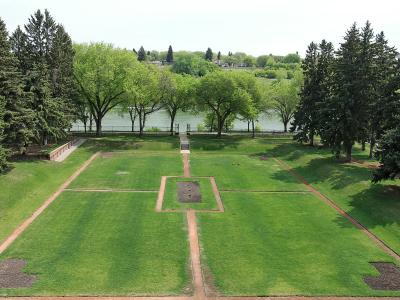
Bessborough Gardens
Outdoor concert venue on the riverbank
Gardens · Lakes & Rivers
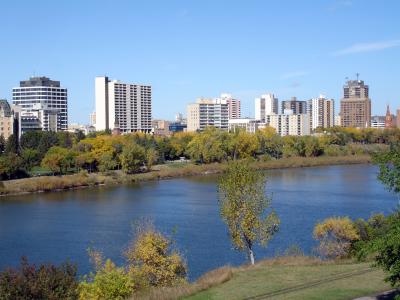
Meewasin Valley Trail
Free Natural Wonders · Urban & City Life
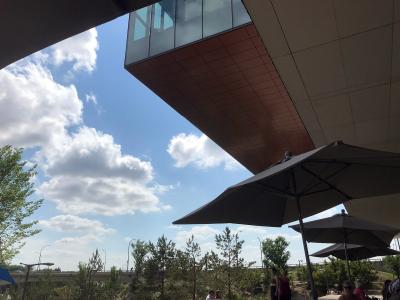
Remai Modern
City Centers · Museums
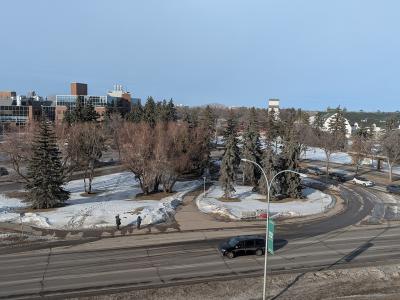
University of Saskatchewan Campus
Free Architecture · Educational Sites
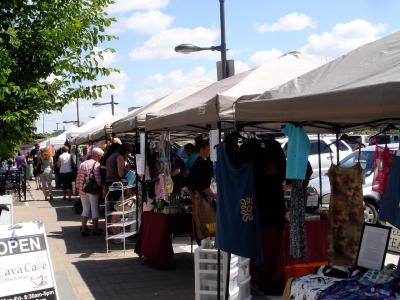
Saskatoon Farmers' Market
Free Food & Markets
Saskatoon by interest
The same sights, grouped by what you came for.
Did you know?
Checked facts about Saskatoon, each with its source.
-
History
Founded as a Temperance Colony
Saskatoon was officially founded in 1883 by a group of temperance Methodists from Toronto led by John Neilson Lake, who aimed to build a society free from alcohol.
Source: localhistories.org
Planning a visit to Saskatoon
Itineraries that include Saskatoon
Good to know
- Currency
- CAD
- Language
- English