




The Pulse of the Street
The low hum of electricity and the rumble of steel on steel create a unique frequency, one that resonates in the soles of your shoes. Toronto’s transit network is not merely a utility; it is the city’s circulatory system, pulsing with a rhythm defined by local character rather than sterile efficiency. As you step onto the platform, you are not just waiting for a train; you are stepping into a living, breathing organism.
In Toronto, the iconic 501 Queen streetcar offers more than transport; it offers a rolling window into the soul of the city. It clinks along tracks embedded in historic streets, passing neighborhoods that have evolved over decades. This is a stark contrast to the sleek, futuristic aesthetic found in Montreal, where the metro’s bold, colorful architecture—designed with the artistic flair of local creatives—turns every commute into a visual experience. Meanwhile, Vancouver’s SkyTrain provides a silent, elevated glide, connecting neighborhoods with a smooth, cloud-like grace that rarely touches the ground.
These systems do more than move bodies from point A to point B. They funnel you into neighborhoods where local dining and community events thrive, all without the stress of finding parking. The convenience of public transit reveals layers of the city that are often missed by those behind the wheel of a car.
Mastering the Metrolink
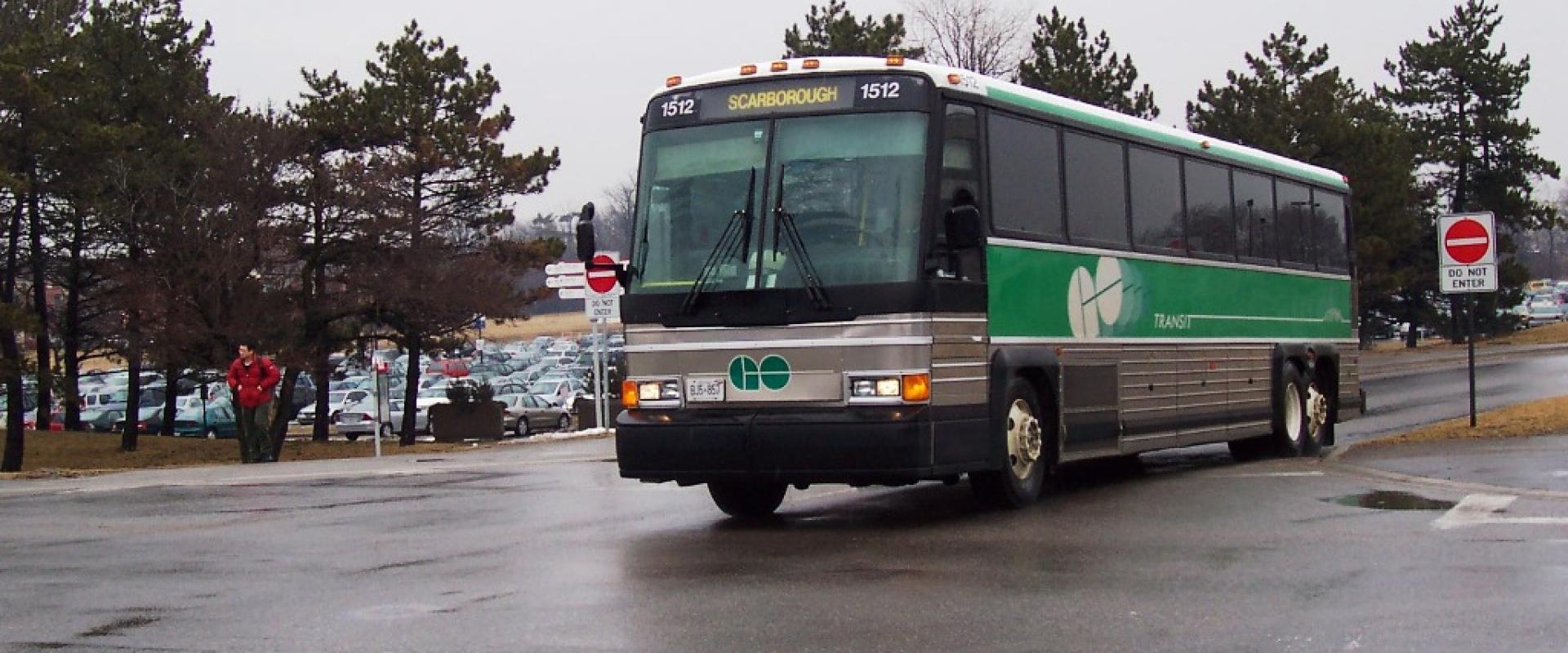
Navigating Toronto’s transit network becomes an exercise in ease once you understand the flow. The key is the PRESTO card, a unified payment method that replaces the chaotic need for loose change or paper tickets. Once you grasp this simple rhythm, the city opens up to you.
Loading funds is straightforward, whether you use the official app or visit a local retail outlet. The real magic, however, lies in the real-time updates. When hunting for the 509A Carlton streetcar during the evening rush, having access to live arrival data is essential. It transforms the anxiety of waiting into a controlled pause, allowing you to time your arrival at the stop perfectly. While other cities may rely on complex fare structures, Toronto’s streamlined approach ensures that your focus remains on the journey, not the logistics.
Montreal’s Metro Magic
Step into the Montreal Metro, and the atmosphere shifts dramatically. This is not just a transit hub; it is an underground gallery. The system is renowned for its artistic flair, with each station serving as a canvas for unique mosaics, sculptures, and lighting designs. The sterile, utilitarian feel of other transit systems is replaced here by a sense of curated beauty, turning a daily commute into a cultural experience.
However, this artistic elegance comes with a practical consideration: time. The rhythm of the metro changes depending on the day. Weekday schedules are robust, but on weekends, the frequency may drift, requiring a bit more planning. It is wise to check the official STM website before heading out, especially during holidays or special events when schedules may shift. By checking the app in advance, you ensure a smooth journey, allowing you to focus on the artistic details of the stations rather than the stress of timing.
Vancouver’s Coastal Commute
Start your morning by watching the water, not the traffic. Vancouver’s transit network is defined by its connection to the natural landscape, offering a perspective that is both serene and expansive. The SkyTrain, with its rubber-tired trains, glides silently above the city streets, offering a smooth, quiet ride that contrasts sharply with the noise of street-level traffic.
For those seeking a different kind of view, the SeaBus provides a swift 12-minute crossing across Burrard Inlet. This is not merely a ferry ride; it is a scenic excursion that offers open-air views of the waterfront and the North Shore mountains. The experience is seamless, with a single tap of your Compass Card connecting you to buses, SkyTrains, and ferries. The safety of the system is paramount, with well-lit stations and a visible police presence ensuring peace of mind. As you ride, you are not just traveling; you are engaging with the unique coastal character of the Pacific Northwest.
Your Urban Adventure Awaits
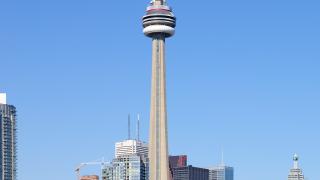
Navigating the major hubs of Canada is less daunting than it might appear, provided you approach it with the right mindset. In Toronto, the transit grid is robust enough to whisk you from the quiet, reflective corners of the Royal Ontario Museum straight to the sensory overload of St. Laurent Market. You won’t need to stress over exact change; a quick check of the TTC app provides all the real-time data you need to plan your route with confidence.
Montreal offers a different kind of rhythm, one defined by shelter and intimacy. Its extensive underground network, the RÉSO, allows you to glide through the city’s heart without ever facing the chill of the street. This is a distinct experience, one where the urban landscape feels enclosed and connected, shielding you from the elements while you explore.
In contrast, Vancouver presents a view defined by water and mountains. The SkyTrain here doesn’t just move you; it offers a vantage point. As the train hums along its elevated track, you catch glimpses of the skyline that change with every curve. It is a smoother, quieter ride, though the gentle hum of the engine remains a constant, reassuring reminder of your progress.
| City | Key Experience | | :--- | :--- | | Toronto | Seamless connection to cultural hubs | | Montreal | Covered, climate-controlled exploration | | Vancouver | Elevated views with a smooth, quiet ride |
This variation in transit style adds depth to the travel experience. It is no longer just about getting from point A to point B, but about engaging with the unique character of each neighborhood.
Have you ever taken the SkyTrain in Vancouver? I am curious to hear how you navigate these vibrant spaces. Share your favorite tips or hidden gems in the comments below. Let’s keep the conversation alive and help each other discover the best ways to experience the Great North.