


- Admission
- Free for Indigenous Peoples
- Where
- Calgary, Alberta
- Directions
- Directions
Fort Calgary stands at the confluence of the Bow and Elbow Rivers, on the east side of downtown Calgary, Alberta, and it marks the spot where the city began. The North-West Mounted Police built a fort here in 1875, after being sent west to bring law and order to the prairies, and the settlement that grew around it became Calgary. The site is now known as The Confluence Historic Site and Parkland, and it combines a cultural centre, heritage buildings and riverside parkland. The original wooden fort buildings are long gone, but the layout and the story are told through exhibits, outlines on the ground and a reconstruction.
The story starts long before the police arrived. The meeting of the two rivers was a gathering place for Indigenous peoples for thousands of years, especially the Blackfoot Confederacy, the Tsuut’ina and the Stoney Nakoda, who camped, hunted and traded along the banks. The land lies within Treaty 7, signed in 1877 at Blackfoot Crossing southeast of Calgary, and the site’s exhibits are designed to present that history from Indigenous perspectives as well as those of the settlers and police. The permanent exhibit Kípaitápiiyssinnooni, a Blackfoot word that means Our Way of Life, explores Blackfoot culture and values and the relationships that shaped the region.
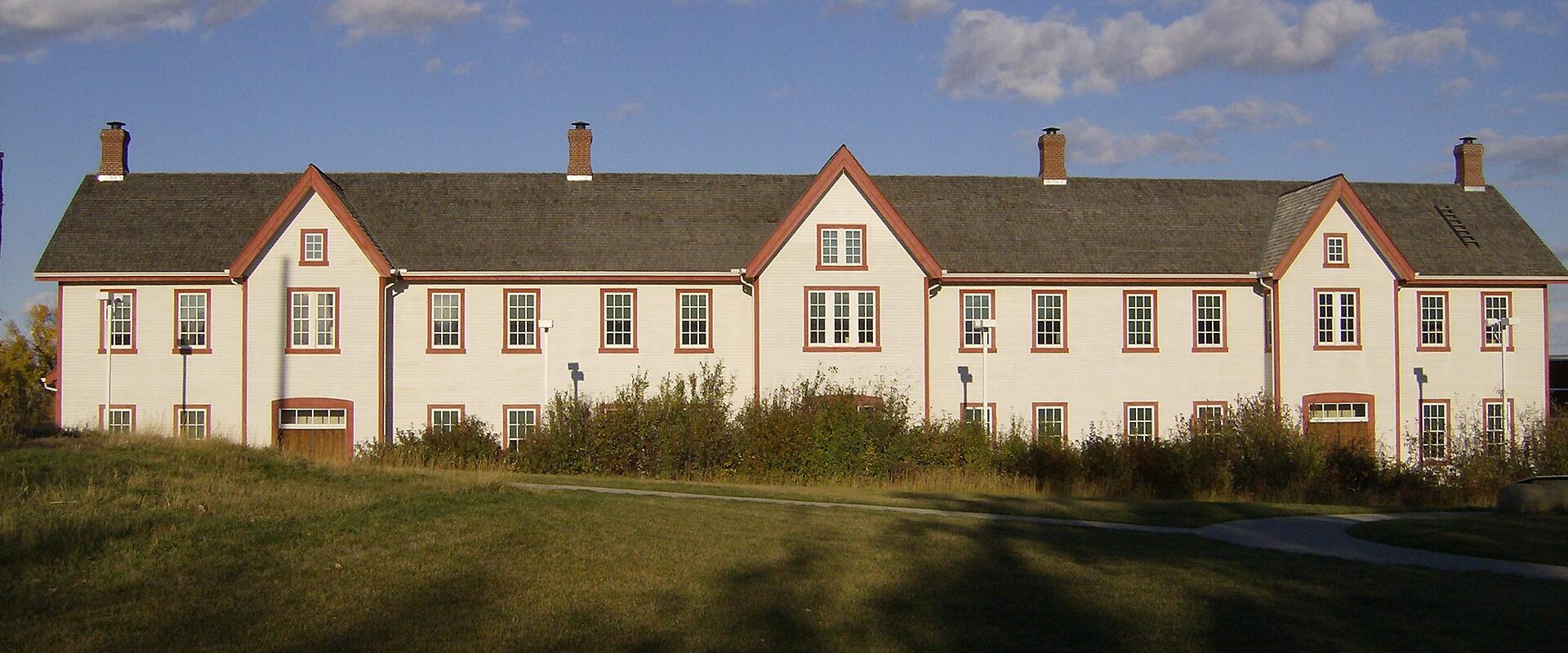
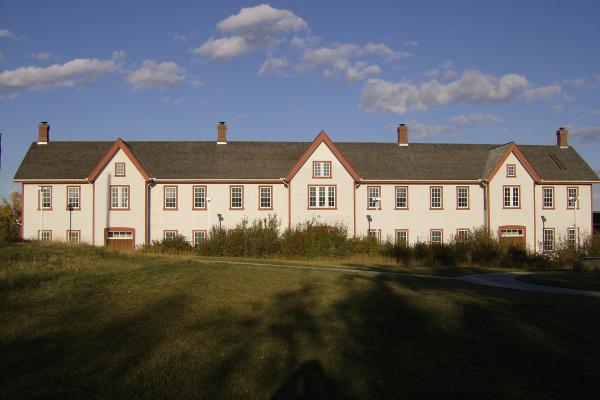
The fort’s own story follows. The police post was founded as Fort Brisebois and soon renamed Fort Calgary, after a place in Scotland, and it served as a base for the Mounted Police until the railway reached the area in 1883, which turned the settlement into a fast-growing town. A replica of the 1888 Fort Calgary Barracks gives a sense of the size and layout of the post, and interpretive displays tell of the police, the traders, the settlers and the arrival of the railway. Hunt House, a small heritage house from the 1870s on the grounds, is one of the oldest buildings in the city and shows how early residents lived.
Outdoors, the parkland along the rivers is pleasant to walk through. Paths follow the water, with views of the downtown skyline and bridges, and interpretive signs mark features of the old fort. In summer, guided walking tours bring the site’s history to life, while self-guided audio tours let independent visitors explore at their own pace. The site hosts educational programs, workshops, school visits and community events through the year, and Indigenous Peoples enter free.
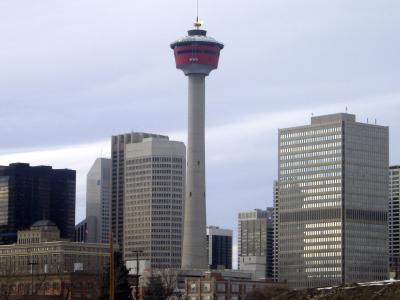
Visitors will find the site a short walk from the Calgary Tower and the city centre, and the riverside pathways link to other parks. Hours and admission change with the season, and the cultural centre may close for construction or special events, so check the website before visiting, and be aware that road work on 9th Avenue SE can affect parking. It suits history lovers, families and anyone curious about Calgary’s roots. Allow one to two hours.
Categories
More photos coming soon
Admission Fees
- Admission
- Free for Indigenous Peoples
Hours and prices change, especially out of season. Check with the venue before you go.
Nearby Attractions
Other places to visit in Calgary
Questions people ask
Quick Facts
Best Time to Visit
May through September offers mild, dry weather ideal for festivals and outdoor exploration.